


In the previous two parts of our Step by Step series, we looked at the list of essential gear for a comfortable trek and also went through choosing the right backpack. Now you have a certain idea of what to take with you and what to pack it all into. In this part, we will show you how to prepare, organize, and pack your gear into your backpack.
Like your own shoes...
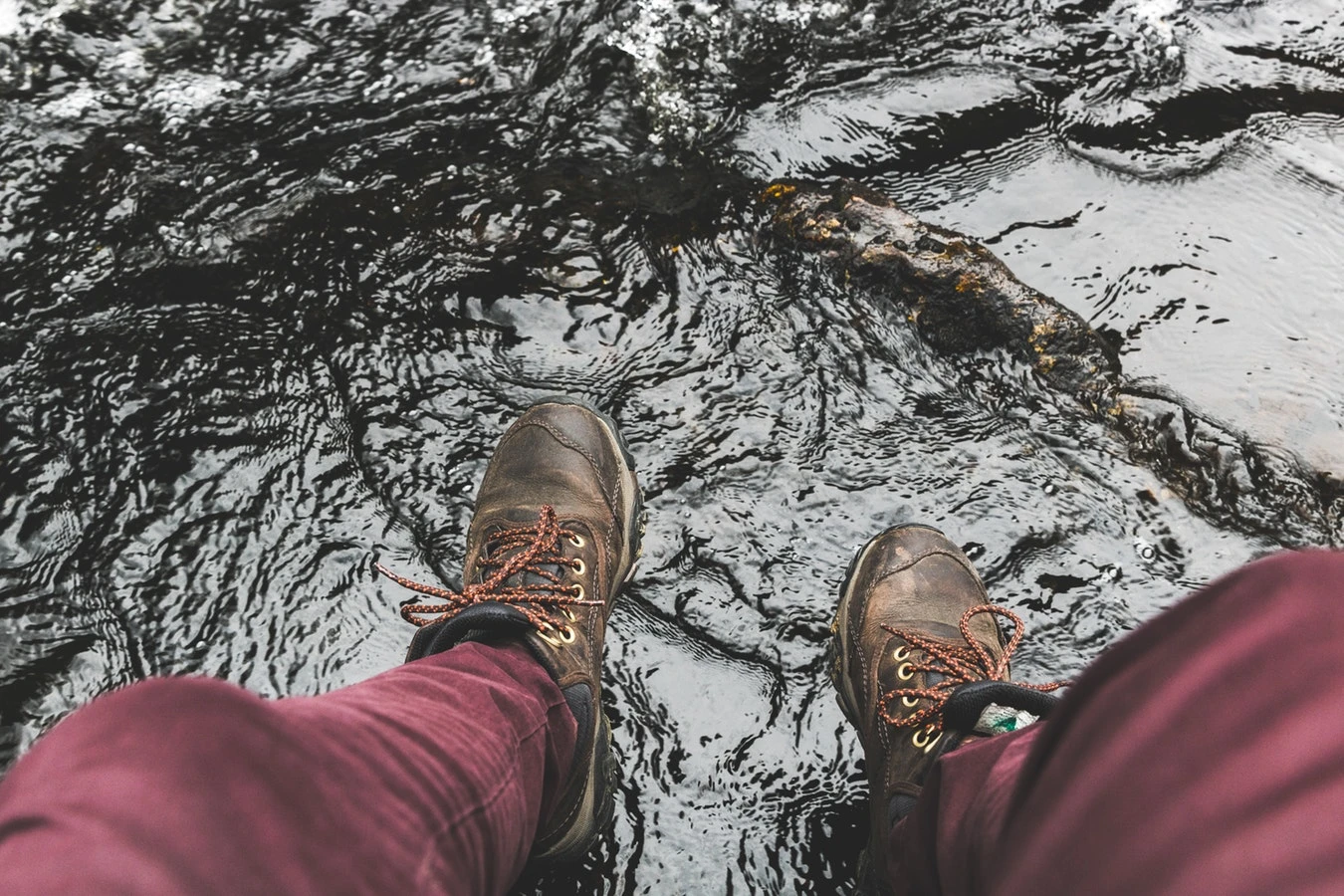
Just as I started our series by mentioning what is likely the most important item of the entire gear, it gets that privilege in this part as well. Do you remember which one it was? :-) Yes, even shoes need to be thoroughly prepared for a trek. And that is long before the journey itself. It is essential to set out on a trek with well-broken-in shoes.
I definitely do not recommend heading out on any longer trip in new shoes for two obvious reasons: new shoes are stiff, not adapted to your feet, and can cause blisters. Secondly, they are not tested, so a manufacturing defect might appear. Before you take them on a trek, "take your new shoes for a walk" several times. Before the trek, don't forget to check them (condition of laces, soles, etc.) and thoroughly waterproof them. Leather boots can be treated with beeswax, other materials with a spray.
Familiarity beyond just one trek
What applies to shoes, I also recommend for the rest of your gear. Carefully waterproof your outerwear and backpack, and thoroughly test every piece of your equipment before the trek.
I have seen many times and experienced myself how a new piece of gear quickly failed or turned out not to be as practical as it first seemed. Therefore, I recommend going on several shorter trips before the actual trek to test your shoes, clothing, backpack, and equipment. You will also learn how to handle your new gear. This will save you a lot of energy and inconvenience on the hike.
The final test before the start
Before the trek, check if every piece of your equipment is in order: whether nothing is fraying, tearing, whether a button is missing, etc. Do not do this test at the last minute so that you have time to resolve any damage, find, replace, or buy missing pieces of gear, and thoroughly think about what you really need to take with you.
It is ideal to start packing a few days before departure. First, I recommend laying all your things out next to each other (on a table, on the floor, or on the bed). This will give you a good overview of everything you have ready and what is still missing. You will also see the total amount of things you are planning to take with you. If you pack things directly into the backpack, you will lose track. You will also unnecessarily struggle with unpacking if, for some reason, you decide to replace an item at the bottom of the backpack.

As much as I need

The things you take with you should be as light as possible. Therefore, remove unnecessary packaging. Replace rigid containers with, for example, resealable waterproof bags or various lightweight travel pouches (e.g., Deuter Zip Pack Lite 2 Kiwi). Take everything only in the amount you will use on the trek. Instead of a whole jar of cream, ointment, powder, spices, tea, etc., take a portion and store it in a minimalist container. If possible, insulate everything waterproofly: from the first aid kit, through food, spare clothing, to maps. Waterproof travel bags can serve this purpose perfectly.
Fill empty items (e.g., a mess tin) with smaller objects. However, if you have a full mess tin of small items, you will have to figure out where to temporarily place these things when cooking. And what if the mess tin remains damp? A small item also has a greater chance of getting lost. Therefore, I recommend putting all small pieces, even if you are putting them into larger ones, into a separate waterproof container.
Packing the backpack
Regarding the distribution of items in the backpack, it is generally true that heavier items (food, water) should be placed in the upper part, while lighter ones (clothing) lower down. Items that you will take out once a day (e.g., sleeping bag) can be stored at the bottom, while everything you use more often (e.g., jacket, raincoat, snack) should be kept at the top. Items that you need to have as handy as possible (knife, first aid kit, bottle, map, etc.) should be stored in side pockets or in the lid. Also, keep in mind that fragile items should not be stored at the bottom.
When packing, think about left-right balance so that the backpack does not weigh on your shoulders unevenly and throw you off balance. Pack things knowing that on the trek you will probably not be able to put everything back in an ideal way, and things will "expand" a bit. Extra space for additional items (food you buy, clothing you take off in warmer weather) is always useful. If possible, pack everything inside the backpack – items attached to the outside will not only throw the backpack off balance, but you can also lose them more easily, for example, when walking through thickets.
You can find more practical advice on how to pack a backpack in our advice center.
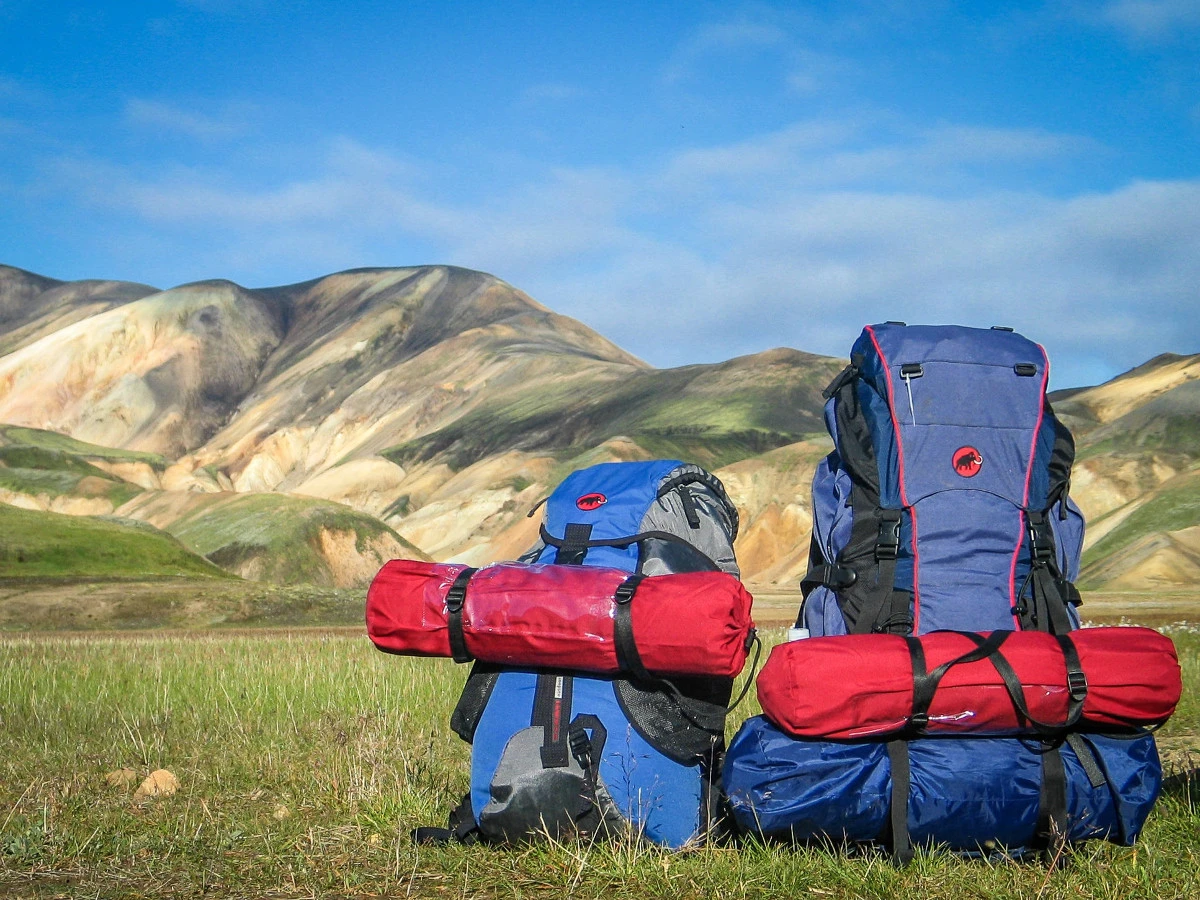
When we have our things prepared (or rather, long before), the question arises whether we are prepared ourselves? Therefore, in the fourth part of the Step by Step series, we will show you what is good to focus on in terms of your own physical condition, fitness, skills, and knowledge. See you in 14 days!


