


Bike Bags
Whether you commute to work daily, are planning a weekend trip, or are drawn to adventurous bikepacking, the right bicycle bag is essential. Forget about a sweaty back from a backpack and discover the comfort offered by a bike bag with a smart attachment system. We offer everything from spacious rack bags to practical handlebar bags and compact saddlebags. Choose high-quality bags from us and keep everything you need close at hand, wherever you are heading.
-

-
-
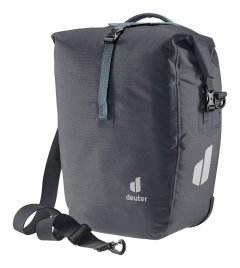
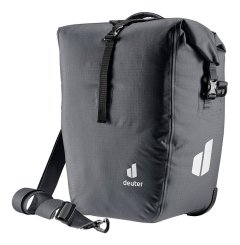
Bike bag Deuter Weybridge 20+5 Graphite
Your price (incl. tax) €115.35 -

Bike bag Deuter Cabezon FB 6 Atlantic-Black
Your price (incl. tax) €84.58 -
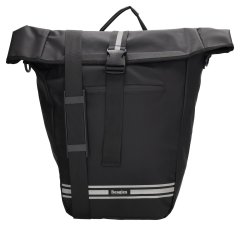
Bicycle bag Beagles Bicycle Originals 24081 Black
Your price (incl. tax) €49.95 -
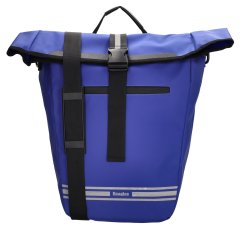
Bicycle bag Beagles Bicycle Originals 24081 Cobalt
Your price (incl. tax) €49.95 -

Bicycle bag Beagles Bicycle Originals 24081 Grey
Your price (incl. tax) €49.95 -
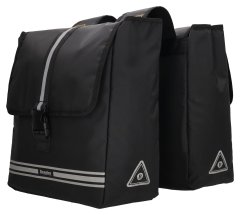
Bicycle bag Beagles Bicycle Originals 24082 Black
Your price (incl. tax) €49.95 -
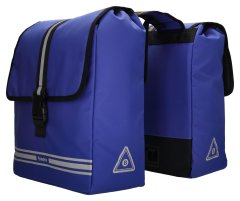
Bicycle bag Beagles Bicycle Originals 24082 Cobalt
Your price (incl. tax) €49.95 -

Bicycle bag Beagles Bicycle Originals 24082 Grey
Your price (incl. tax) €49.95 -
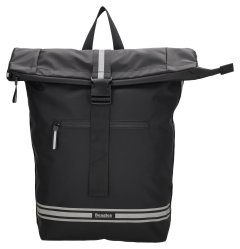
Bicycle bag Beagles Bicycle Originals 24083 Black
Your price (incl. tax) €49.95 -

Bicycle bag Beagles Bicycle Originals 24083 Cobalt
Your price (incl. tax) €49.95 -

Bicycle bag Beagles Bicycle Originals 24083 Grey
Your price (incl. tax) €49.95 -

Bicycle bag Beagles Bicycle Originals 21337 Black
Your price (incl. tax) €49.95 -
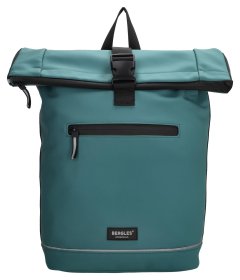
Bicycle bag Beagles Bicycle Originals 21337 Green
Your price (incl. tax) €49.95 -
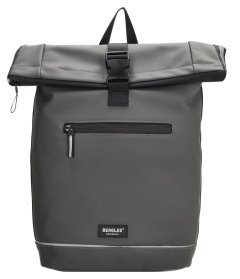
Bicycle bag Beagles Bicycle Originals 21337 Grey
Your price (incl. tax) €49.95 -
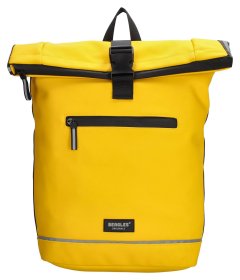
Bicycle bag Beagles Bicycle Originals 21337 Yellow
Your price (incl. tax) €49.95 -

Bicycle bag Beagles Originals Bicycle Originals 23288 Beige
Your price (incl. tax) €49.95 -

Bicycle bag Beagles Originals Bicycle Originals 23288 Grey
Your price (incl. tax) €49.95 -
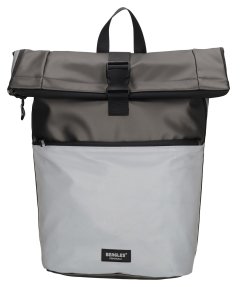
Bicycle bag Beagles Originals Bicycle Originals 23288 Silver
Your price (incl. tax) €49.95 -

Bike bag Enrico Benetti Secc 93008 Black
Your price (incl. tax) €44.95 -
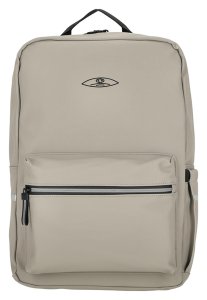
Bike bag Enrico Benetti Secc 93008 Taupe
Your price (incl. tax) €44.95 -

Bicycle bag Beagles Originals Bicycle Originals 21282 Grey
Your price (incl. tax) €39.96 -

Bike bag Beagles Originals Bicycle Originals 21282 Navy blue
Your price (incl. tax) €39.95
What is a bike bag and why do you need one?
Bicycle bags are specialized bags and luggage designed to be attached directly to various parts of your bike. Whether it's the frame, handlebars, rack, or the space under the saddle, each bag serves to efficiently transport cargo without the need to carry a backpack. In this category, you will find a wide range of bags for cyclists, from small pouches for tools and phones to large-capacity bike bags for multi-day expeditions. Simply put, it is the best way to load anything you need onto your bike while maintaining the joy of riding.
There are several reasons to prefer a bag over a backpack. The main one is comfort. Without a backpack, your back doesn't sweat, you have full freedom of movement, and you save your shoulders and spine. Furthermore, bike bags cleverly distribute the weight of the cargo and lower the center of gravity, which contributes to better stability and handling of the bike, especially in terrain. A practical bike bag also allows you to have important items, such as a map or a snack, immediately at hand. In short, they are great companions that allow you to focus only on the road ahead.
How to choose the right bike bag?
Choosing the right bike bag depends primarily on what you plan to carry in it, where you will be riding, and how often you will use it.
By placement and attachment type: On the handlebars, frame, or rack?
The most crucial decision is where on the bike you want to place the bag. Each type of attachment has its specifics and is suitable for a different type of cargo and riding.
- Rack bag (Panniers): These bags are usually attached to the rear rack (sometimes also to the front) and offer the largest storage space. They are an ideal choice for cycle touring, shopping, or daily commuting to work when you need to transport a laptop, clothes, or larger cargo. They are often waterproof and easy to remove, so you can take them with you into the office.
- Saddle bag: As the name suggests, this bag attaches under the saddle, often using straps. Smaller versions are ideal for sports riding on road bikes and MTBs, when you need to store only the essentials: a spare tube, tire levers, and keys. A larger saddle bag, on the other hand, is a key part of bikepacking equipment, where it serves as the main storage space for light but bulky luggage, such as a sleeping bag or clothes, and maintains the good aerodynamic shape of the bike.
- Handlebar bag: A handlebar bag is great for things you want to have in sight and at hand at all times. Many models also offer a transparent pocket for a map or mobile phone.
- Frame bag: This type of bag ingeniously uses the free space inside the main triangle of the frame. A frame bag can be either smaller (often as a top tube bag right by the stem, ideal for a phone and snack) or a large frame bag that fills almost the entire space. It is ideal for heavier items (like tools or water bottle), because it keeps the center of gravity low and in the middle of the bike.
By purpose of use: Bikepacking, commuting, or a light bike trip?
Just as important as the placement is the type of cycling you need the bag for. A cyclist in the city has different requirements than one on a mountain trail.
- Bikepacking and long-distance touring: Here, volume, durability, and reliability are paramount. You are looking for a set of bags (frame, saddle, handlebar) that replace a classic rack. Material durability and, above all, waterproof treatment are key. A waterproof bag with welded seams is a necessity in this segment so that your equipment stays dry even after a full day of rain.
- Commuting to the city and shopping: Practicality, storage space for everyday items, and safety play the main role. A rack bag with a simple attachment system that you can easily convert into a shoulder bag is ideal. Do not underestimate safety reflective elements, which will increase your visibility in traffic.
- Sports riding (MTB and road bikes): The goal is minimalism. You only need a small, light, and aerodynamic saddle bag that can fit just a spare tube and basic tools. The bag must not hinder movement and must hold firmly even in demanding terrain on an MTB bike.
Material and durability: Water resistance and easy cleaning
Your accessories deserve quality protection from rain and mud. When choosing, pay attention to the quality of the material and workmanship.
- Water-resistant vs. waterproof: They are not the same. A water-resistant bag can handle light rain or splashing water. In contrast, a waterproof bag usually has taped or welded seams and a roll-top closure, so it will protect the contents even if your bike falls into a stream.
- Safety features: Visibility = safety. Many bags are equipped with reflective elements or even special loops for attaching a rear light. Especially for bags on the rear rack or under the saddle, these details are invaluable.
Tip: We cover water resistance in detail in our advice section. Find out what to watch out for when choosing a waterproof bag, and how to extend its lifespan and properties as much as possible.
Not just bags: Other equipment for the road
While bike bags are ideal for transporting cargo on a bike, sometimes it is necessary to combine storage space or choose a different solution. If a bag is not enough, the weight of the cargo is too great, or you are looking for an alternative for shorter rides or other sports, take a look at our related categories.
- Cycling backpacks: If you need to transport heavier items or prefer to have everything on your back, a special cycling backpack is the solution. Compared to a classic backpack, it offers better back ventilation, an ergonomic shape adapted to the riding position on a bike, and often an integrated water reservoir (hydration bladder).
- Running backpacks: For fast sports rides and running, where you only need water and a windbreaker, an ultra-light running vest or backpack can be a great alternative. They are minimalist and adhere perfectly to the body.
- Waist bags: They are experiencing a big comeback, especially in the MTB community. They offer enough space for tools, a phone, and a small bottle, while leaving the back free and not getting in the way when riding in terrain.
Tip: Have you decided on a cycling backpack? Our specialized guide might help you when choosing a bike backpack.
Popular brands: A bet on quality
At Bagalio, we bet on proven quality. Quality bike bags must serve you for years, withstand thousands of kilometers, and protect your accessories in any weather. That is why we choose brands that are leaders in the field and whose products we enjoy using ourselves.
- Deuter: German precision and decades of experience in manufacturing backpacks are perfectly reflected in the bike bag segment. The Deuter brand is synonymous with perfect workmanship, durable materials, and thoughtful details.
Frequently Asked Questions (FAQ)
What is the difference between a waterproof and a water-resistant bag?
A water-resistant bag will protect you from light rain and splashing water. A waterproof bag additionally has taped or welded seams and often a roll-top closure, so it keeps the contents dry even during a heavy downpour or during a short immersion.
I want to start bikepacking. Do I need a rear rack?
No, quite the opposite. The principle of bikepacking consists of attaching special bags directly to the frame, handlebars, and under the saddle without the need for a rack. This allows for riding even in demanding terrain and better weight distribution.
What kind of bag should I get for sports riding on a road bike or MTB?
For sports riding, where you care about every gram and aerodynamics, a small and light saddle bag is ideal. It will fit only the essentials, such as a spare tube, tire levers, and tools, and it will not get in your way at all.
When is it better to use a cycling backpack instead of a bag?
A backpack is a better choice for technical riding in terrain (especially on an MTB), where you need maximum freedom of movement of the bike under you. For longer routes and cycle touring, however, a bag is generally more comfortable.
Bike bags: Set off on an adventure
Are you ready to head for the horizon? Whether you are looking for a small tool bag for fast trails or a durable bikepacking set for a journey into the unknown, you will find the right partner with us. Focus only on the road and the experiences ahead, not on what you are missing. Browse our complete offer and discover the freedom that only a bike and an open road can give you.


