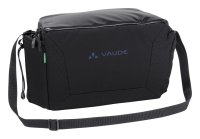
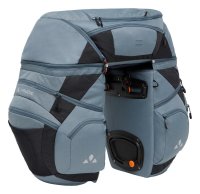
A laptop for work, groceries on the way home, or a sleeping bag for a week-long trip: when all of this is carried by a bike bag instead of your back, the ride becomes much more comfortable. However, there are many types of bags, ranging from small saddle pouches to large panniers. Before choosing a bike bag, clarify three things: where you will attach it, how much you will carry, and whether it needs to withstand rain all day long. Then you can easily find out how to choose a bike bag that fits your bike and your riding style.

Table of Contents:
- Types of bike bags and how much they hold
- How to choose a bike bag based on where you ride
- Bag or backpack? 2-in-1 bike bags for commuting
- Mounting and compatibility: how to attach bike bags
- Water-resistant or waterproof? How to recognise weatherproof bags
- How to pack bags for good bike handling
- Frequently asked questions
- One bag to start, a full set for big journeys
Types of bike bags and how much they hold
The table shows approximately how much each type of bike bag can accommodate. The ranges are based on manufacturer data for bags available on the market.
| Bag type | Where it mounts | Volume |
|---|---|---|
| Rear panniers | on the sides of the rear rack | single around 24 l, pair 46 to 65 l |
| Double pannier | draped over the rear rack | 44 to 52 l |
| Front panniers | on the sides of the front rack | pair 28 to 32 l |
| Top rack bag | on top of the rear rack | 7 to 30 l |
| Handlebar bag | on the handlebars | 1 to 10 l |
| Saddle bag | under the saddle or on the seatpost | small 0.35 to 1 l, large 6 to 10 l |
| Frame bag | on the top tube or inside the frame | 0.5 to 6 l |
| 2-in-1 convertible bag | on the rear rack | 17 to 31 l |
Most types can be combined freely. Rack panniers offer the largest storage capacity, which is why cycle tourers use them most often, typically paired with a handlebar bag.
How to choose a bike bag based on where you ride
It is best to choose the type of bag according to where and how you ride, not the other way around.
For work and shopping: pannier rack bags
For commuting, a single rear rack pannier or a 2-in-1 model is ideal; both can be detached with a single motion upon arrival. A double pannier draped over the rack is practical for carrying larger grocery hauls.
Multi-day bicycle touring
For longer journeys, the foundation is a pair of rear panniers, to which you can add front panniers (requiring a lowrider front rack) or a top rack bag. A phone, documents, and snacks belong in the handlebar bag.
Bikepacking: handlebar, frame, and saddle bags
Traditional rack panniers are not used in bikepacking. Instead, gear is carried in large saddle bags attached to the saddle and seatpost, handlebar bags, and frame bags, which typically have a triangular shape and fill the space inside the frame triangle. This has pros and cons: the bike remains narrow and nimble even on forest trails, but capacity is smaller, requiring you to pack compactly.
Short sporty rides: small saddle bags
For a sporty outing, a small saddle bag or a top-tube frame bag is plenty. It holds the essentials: a spare inner tube, tyre levers, and a multi-tool. For technical trails, a cycling backpack is more suitable; our cycling backpack guide can help you decide.
Bag or backpack? 2-in-1 bike bags for commuting
Those who ride to work or school often face the dilemma of what to do with the bag after parking the bike. The solution comes in 2-in-1 bags, which hang on the rack while riding and convert into a backpack or shoulder bag once detached.
If you need to carry a laptop, look for a padded compartment and check what screen size it is designed for. For bags in our range, this spans from 13 to 16 inches.
Mounting and compatibility: how to attach bike bags
The mounting system determines how securely the bag stays in place while riding and how quickly it can be removed. You will encounter these systems most often:
- Pannier rack hooks: the bag clicks onto the rack tube. Vaude uses the QMR 2.0 system, Deuter uses the BagFix system. Some bags can also be locked to the rack.
- Handlebar adapter: the bracket remains mounted on the handlebars and the bag simply clicks into it, typically using the KLICKfix system.
- Top-rack mounting systems: top rack bags are also available in versions designed for specific systems, such as UniKlip 2.0 or Snap-it 2.0. The adapter must match your rack.
- Straps and hook-and-loop fasteners: frame bags, bikepacking bags, and small saddle bags attach using straps, hook-and-loop fasteners, and buckles. They fit almost any bicycle, though fitting and removal take slightly longer.
Make sure the bag is compatible with your bike before purchasing. For hooks, the rack tube diameter is decisive. For instance, Vaude QMR 2.0 hooks fit tube diameters of 8 to 16 mm. Adjust rear panniers as far back on the rack as possible so your heel does not strike them while pedalling. On the handlebars, check that the mount does not interfere with cables, lights, or e-bike displays. Avoid mounting large saddle bags on bikes equipped with dropper seatposts, as this would prevent the saddle from dropping.
Water-resistant or waterproof? How to recognise weatherproof bags
Whether a bag will keep your gear dry depends on its construction. Waterproof bags feature welded seams and roll-top closures or tightly sealed lids, allowing them to withstand all-day rain. Water-resistant models can handle a light shower; for prolonged rain, a rain cover is useful. Many bags include one, or it can be purchased as an accessory. If you commute in all weather conditions or carry electronics, look for waterproof construction in the manufacturer's specifications.
Tip: We explain the difference between water resistance and waterproofness, as well as how to maintain these properties as long as possible, in our article on the waterproof performance of backpacks and bags.
How to pack bags for good bike handling
Even a high-quality bag can make a bike wobble if packed improperly. To maintain riding stability, distribute the weight correctly and follow these principles:
- Balance both sides. The left and right panniers should weigh roughly the same; otherwise, the bike will pull to one side.
- Heavy items go down low. Place tools or heavy food at the bottom and as close to the wheel as possible; pack clothes and sleeping bags near the top.
- Do not overload the handlebars. A heavy load on the front makes steering sluggish and difficult.
- Mind the load limits. The rack has an overall weight limit for all bags combined, and each bag has its own capacity rating. Both values are listed in the manufacturer's specifications—never exceed either.
- Think about visibility. Reflective elements on bags help, but they cannot replace bike lights.
Frequently asked questions when choosing a bike bag
- How many litres do I need for a multi-day trip?
Where you sleep, whether you cook, and how compactly you pack matter more than the trip length. If your accommodation is booked and you eat out along the way, a pair of rear panniers around 40 to 50 litres plus a handlebar bag is sufficient, even for two weeks if you do laundry en route. Camping gear and food supplies require more space, so consider adding front panniers or a top rack duffel. - Do I need a pannier rack for a rack bag?
Yes, panniers require a rack to attach to. If your bike lacks one, choose bags that mount directly to the frame, handlebars, or seatpost: handlebar bags, frame bags, and saddle bags. A pannier rack can also be purchased separately if your bicycle frame has the necessary eyelets. - Can I use pannier bags on an e-bike?
Yes, provided the e-bike has a rack. If the battery is integrated into the rack, ensure that the bag hooks fit onto the tubing and that the bag does not obstruct battery removal.
One bag to start, a full set for big journeys
You don't have to buy bike bags for every possible trip all at once. Start with a single rack bag or handlebar bag, see what you miss on your journeys, and gradually expand your setup. Keep three questions in mind: where you will mount the bag, how much you need to carry, and how often you ride in the rain. Explore what fits your needs in our range of bike bags.