Traveling by car or campervan has one great advantage – you don't have to worry about luggage limits or weight like when flying. You can take almost anything you can think of. However, this very freedom can turn packing into a real mess: the back seat full of bags, toiletries spilled all over the trunk, and constantly searching for a charger at the very bottom. The good news is that packing for a car can be done smartly and systematically. In this guide, we will go through how to pack effectively, what list of items to prepare, what gear not to forget, and how to manage sleeping in the car with ease.
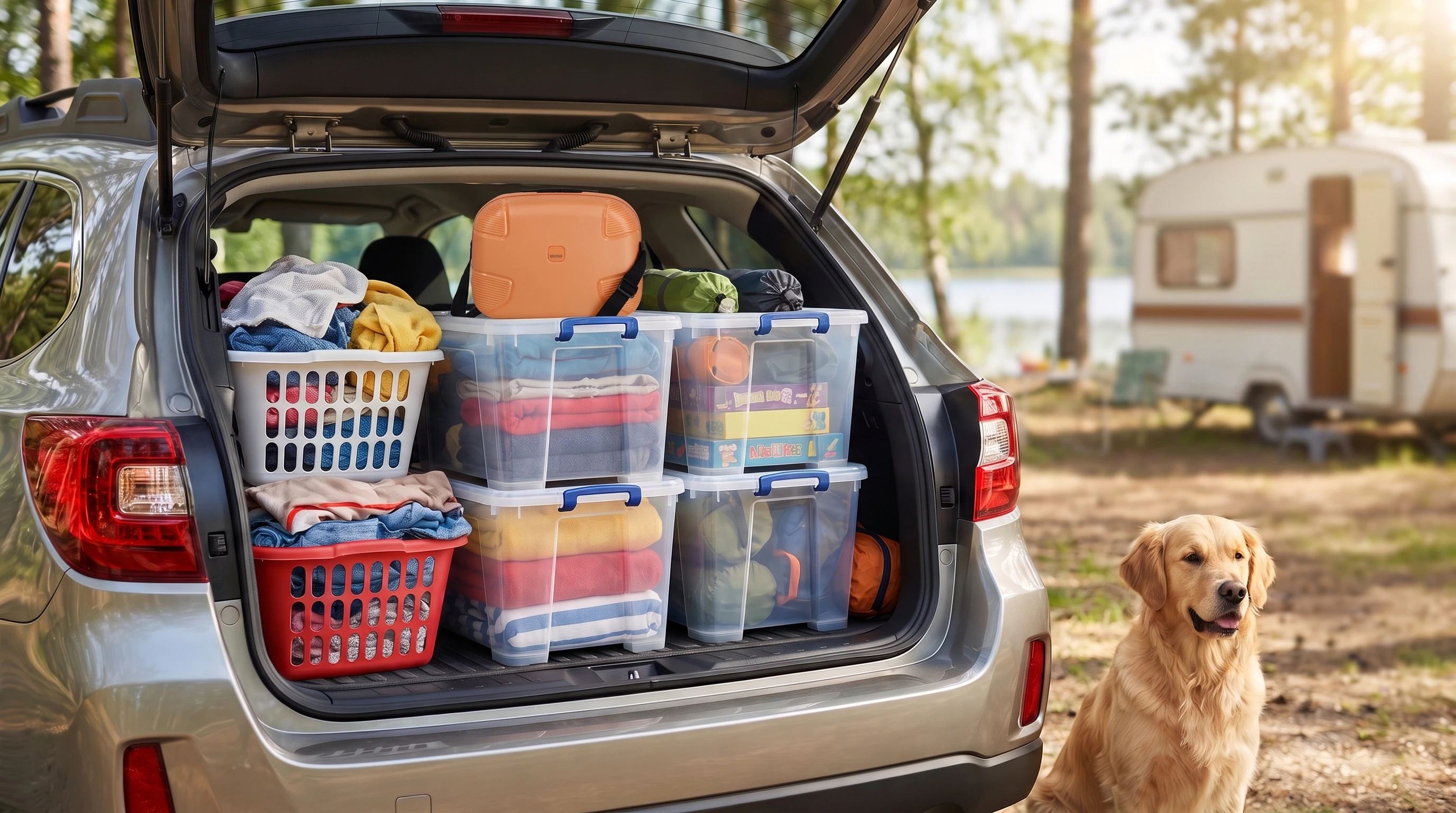
Table of Contents:
- How packing for a car or campervan differs from air travel
- Plastic boxes, baskets, and cases: how to pack a car trunk smartly
- What to pack for the car: checklist and essential gear
- Mandatory equipment and preparing the car for a long trip
- Sleeping in a car and campervan: overnight stays without compromises
- Long car trips with children: how to handle them calmly
- How to load and arrange luggage in the car
- Frequently Asked Questions
- With a good system, you can pack in an afternoon
How packing for a car or campervan differs from air travel
When flying, you mainly deal with weight and dimensions. When traveling by car, the limit is the volume of the trunk and organization. Soft bags can be squeezed into every nook and cranny, but they are hard to search through and often become messy after a few days at a campsite. It is therefore worth packing according to the length of the trip and the destination, and sorting items from the start.
Instead of "the smallest possible luggage," you are looking for the best-organized luggage. Sturdy boxes, baskets, and cases give you structure that a bag can never offer:
- items are sorted by category, not thrown on top of each other,
- you can stack boxes on top of each other to utilize the height of the trunk,
- upon arrival, you unload the whole box at once, not ten separate bags.
Plastic boxes, baskets, and cases: how to pack a car trunk smartly
Order in the car and campervan depends on what you store your things in. Instead of throwing everything into one big bag, it pays to reach for sturdy containers that hold their shape and can be stacked clearly. A trio of helpers works great: vanity cases, plastic boxes, and laundry baskets.
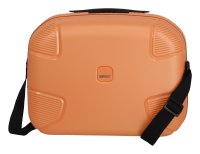
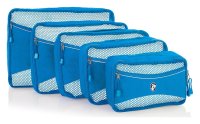
Start with hygiene. A plastic vanity case keeps all toiletries together, nothing spills onto your clothes, and in the morning at the campsite, you simply grab the case and head to the washroom. Put liquids in sealable bags and small items in fabric pouches to keep things tidy inside.
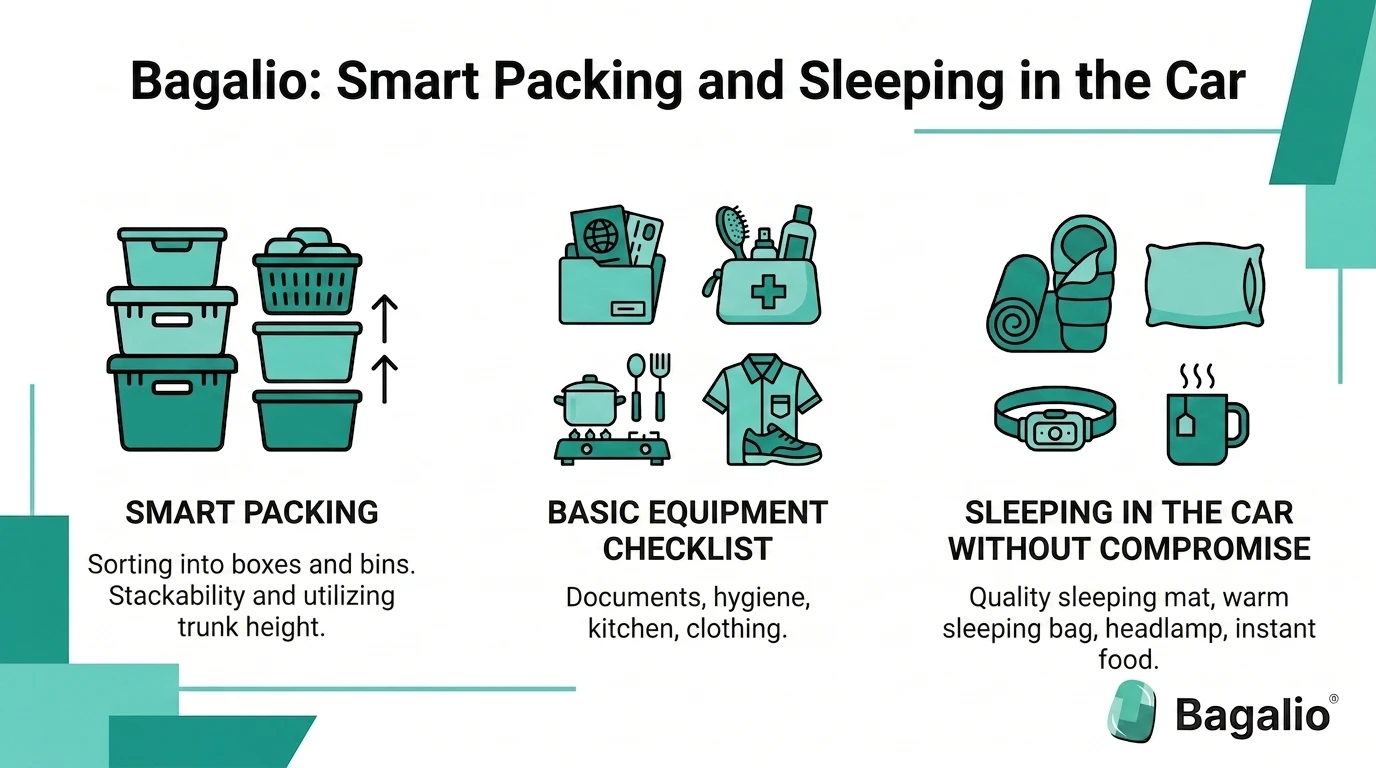
For the rest of the gear, plastic boxes with lids are ideal. They hold their shape, so you can stack them and use the full height of the trunk, they protect the contents from being crushed or getting damp, and thanks to transparent walls or labels, you can immediately see what is inside. You have clothes, food, and small gear sorted and at hand, instead of digging through the bottom of a bag.
Even more versatile are ordinary laundry baskets. You can stack dishes, cutlery, food, or blankets in them, place them side-by-side in the car, and unload them in one go upon arrival. The same basket then serves for laundry at home, so you don't buy anything extra. This method is especially worthwhile for a campervan. If you are preparing it at home, it is best to put the items you will be organizing inside directly into a laundry basket, take them out of the house, and simply unpack them into their place in the campervan.
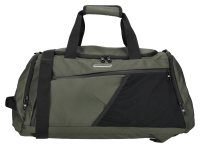
Tip: Combine sturdy boxes with soft travel bags for clothes – fabric bags fill the gaps between baskets, and you will use every centimeter of the trunk. You can find practical models in the travel bags category.
What to pack for the car: checklist and essential gear
The biggest stumbling block is not the large items, but the small ones that easily slip your mind. It helps to divide packing into categories and throw each into its own box or basket. Go through this checklist as a base and cross out or add items according to the number of people, length of stay, and destination.
| Category | What it includes |
|---|---|
| Documents and money | ID cards, passports, driver's license, car documents, green card, travel insurance, cash and payment cards, accommodation reservations |
| Hygiene and first aid | Vanity case, toothbrush and toothpaste, shower gel, shampoo, towels, sunscreen, repellent, wet wipes, medications and first aid kit |
| Kitchen and food | Dishes, pots, cutlery, plates, mugs, stove and gas, drinking water canister, knife, cutting board, opener, dish towel, sponge, detergent, basin, instant food and coffee, non-perishable supplies |
| Clothing and footwear | Layers for colder weather and rain, swimwear, headwear, sturdy shoes, sandals, raincoat, spare clothes |
| Sleeping in car, tent, and campervan | Sleeping bag, blankets, sleeping mat or mattress, pillow, headlamp |
| Electronics | Charging cables, power bank, car charger, phone holder, navigation, camera |
| Car and mandatory equipment | Reflective vests, warning triangle, spare bulbs, fire extinguisher (depending on country), motorway vignette |
| Leisure | Books, toys and games for children, beach gear, sports equipment |
Mandatory equipment and preparing the car for a long trip
Before you set off on a long journey, spend a moment on the car itself. Check the tires and operating fluids, don't forget to refuel in time, and generally prepare the car so it doesn't let you down on the way. Minor maintenance in advance saves a lot of trouble on the route.
Also, keep an eye on what you are legally required to have with you. Mandatory equipment varies by country, so verify it according to your destination:
- reflective vest for everyone in the car and a warning triangle,
- first aid kit, spare bulbs, and in some countries, a fire extinguisher,
- motorway vignette or tolls depending on the country – in Austria you need a vignette, in Poland you pay only on selected sections,
- valid documents for everyone in the car, i.e., passports, ID cards, and health insurance cards.
If you are heading abroad, do not underestimate travel insurance. Arrange it before departure and keep the contact for the assistance service with you. It will save you a lot of trouble and money if an injury or illness occurs on the way.
Sleeping in a car and campervan: overnight stays without compromises
If you are planning on sleeping in the car or staying overnight between stops, prepare for it in advance. Comfortable sleeping in the car relies on a few things: a high-quality sleeping mat or mattress, a warm sleeping bag, and blankets.
Keep headlamps, plenty of drinks, and something instant to eat at hand so you can prepare breakfast in the morning without any problems. If you are going to a campsite, check for available spots in advance and perhaps even the possibility of charging electricity.
Long car trips with children: how to handle them calmly
Traveling by car with children requires a bit more preparation, but with a good plan, you can handle it even over long distances without stress. It pays to plan regular breaks for stretching and snacks in advance and keep the most important things within reach from the seat. For a long car trip with children, the following prove useful:
- children's first aid kit, tissues, wet wipes, and something for motion sickness,
- plenty of drinks and snacks within reach from the seat,
- favorite toys, a pillow, and a blanket for comfort,
- spare clothes and bags in case of spills.
To help children handle the trip better and stay calm, think about entertainment too. Before the trip, prepare a favorite playlist with fairy tales, music, or podcasts, ideally downloaded offline for areas without signal. The trip will pass faster for them, and you will enjoy a calmer ride.
Tip: One simple thing helps against motion sickness – looking out the window into the distance. When a child watches the passing landscape, the eyes confirm to the brain what the inner ear already perceives, namely that the car is moving. The body balances the movement, and nausea is reduced. Conversely, when looking at a tablet or book, the eyes do not notice the movement, the conflict between the senses deepens, and children get sick much more easily.
How to load and arrange luggage in the car
Packing itself is half the success – the other half is smart loading. When you stack boxes with consideration, you don't have to unload the entire trunk at the first stop for one item. Follow a simple order:
- Heavy and large items at the bottom – tent, furniture, and water supplies give the car stability.
- Frequently needed items on top and at hand – snacks, raincoats, first aid kit.
- Important items in a small carry-on bag – keep documents, chargers, and the first aid kit within reach from the seat.
- Fragile and valuable items inside the cabin – electronics and documents travel with you, not in the trunk.
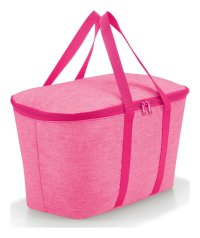
Tip: Baskets are great helpers in the car. They sit nicely right on the seat, ideally between children in the back seat or on the passenger seat, and you can store food and drinks for the trip inside. Baskets with thermal insulation also keep snacks and drinks at the right temperature.
Frequently Asked Questions
- What to pack for the car as an absolute basic?
Documents, first aid kit, charging cables, hygiene items in a vanity case, and a canister of drinking water. You add the rest according to the destination and length of stay. - Are plastic baskets better than travel bags?
Each is better for something else. Boxes and baskets hold their shape and stack great, soft bags adapt to gaps. The ideal is a combination of both. - What not to forget when sleeping in the car?
A sleeping mat or mattress, a warm sleeping bag, a headlamp, and something instant to eat. In winter, deal with heating; in summer, mainly ventilation. - What mandatory equipment to have for a trip abroad?
Reflective vests, a triangle, a first aid kit, and depending on the country, a fire extinguisher. Always verify the rules according to the specific destination and transit countries.
With a good system, you can pack in an afternoon
A holiday by car or campervan provides enormous freedom – and with a few smart helpers, you will get the most out of it without stress. A plastic vanity case and ordinary laundry baskets turn chaotic loading into a quick routine: load, arrive, unload. Add a clear list of items, order in mandatory equipment, and reasonable luggage arrangement, and packing will stop scaring you. Next time, you will already know that a system is everything – and you will have more energy left for the journey itself.