


Autumn is coming, which is the perfect time to travel to tropical countries. However, it is a good idea to get vaccinated against exotic diseases there, or at least know how to avoid infection. What is the prevention? And which vaccinations should you not forget?
The basic rule is to start dealing with vaccinations as far in advance as possible. It is ideal to book an appointment at a vaccination center at least three months in advance. Sometimes you have to wait a long time for a vaccine, and other times the vaccination needs to be divided into several parts with intervals of several weeks between them.
Where to look for updates?
Vaccine regulations and recommendations depend on the current situation. It may happen that you will not be allowed into a country without the appropriate vaccination. The Ministry of Foreign Affairs regularly informs about the situation in the world on its website and issues recommendations on which vaccinations to choose for a given location.
The Centers for Disease Control and Prevention also monitors the current situation and publishes epidemiological recommendations. On their website, you can easily search for the country you are traveling to and the associated diseases against which it is good to protect yourself. Sometimes recommended or mandatory vaccinations vary from region to region, or according to the current endemic area.
International Certificate of Vaccination
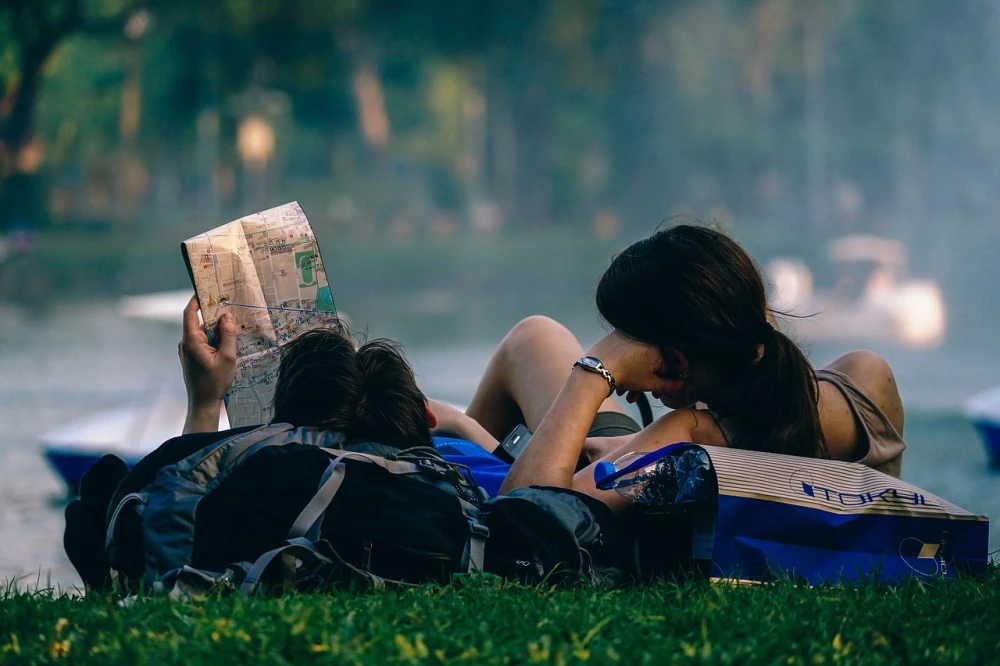
To avoid complications when entering an exotic country, it is necessary to have mandatory vaccinations recorded in an international certificate of vaccination. Voluntary vaccinations can also be recorded in it. It consists of two documents, a certificate of valid vaccination or prophylaxis and the international certificate of vaccination itself. The rules for filling it out are very strict and the data must be in English or French.
Currently, there are two diseases against which a traveler must be vaccinated - yellow fever, if traveling to or through endemic areas, and meningococcal meningitis for pilgrims to Mecca. The certificate is issued by vaccination centers or travel medicine centers.
| Croatia France Spain Italy | Hepatitis A and B Rabies |
| Turkey | Hepatitis A and B Rabies Typhoid fever |
| China | Hepatitis A and B Typhoid fever Encephalitis* Polio** Rabies Yellow fever Malaria prevention |
| Mexico | Hepatitis A and B Typhoid fever Rabies Malaria prevention |
| Thailand | Hepatitis A and B Typhoid fever Encephalitis*** Rabies Malaria prevention Yellow fever |
| Indonesia | Hepatitis A and B Polio (after consultation with a doctor) Typhoid fever Encephalitis*** Rabies Yellow fever Malaria prevention |
| Australia | Hepatitis A and B Rabies Encephalitis (Torres Strait Islands) |
| Tanzania | Hepatitis A and B Typhoid fever Cholera (only in a few regions) Malaria prevention Rabies |
| Kenya | Hepatitis A and B Typhoid fever Cholera (only in a few regions) Malaria prevention Meningitis (in season****) Rabies Yellow fever |
*suitable for travelers who will spend more than a month in the country or will travel to the wilderness and rural areas
**recommended for travelers to the Xinjiang region
***suitable for travel to nature and rural areas even for trips shorter than a month
****recommended in the season between December and June
Source: wwwnc.cdc.gov
Prevention is never enough
Wash your hands
That is simply the basis. A huge number of diseases are transmitted by touch, so even if you don't touch your mouth, you can infect food or even water. Disinfectants in the form of gel, spray, or wet wipes are sufficient. Use them before eating, after visiting the toilet, but also on trains and buses.
Look for safe drinking water
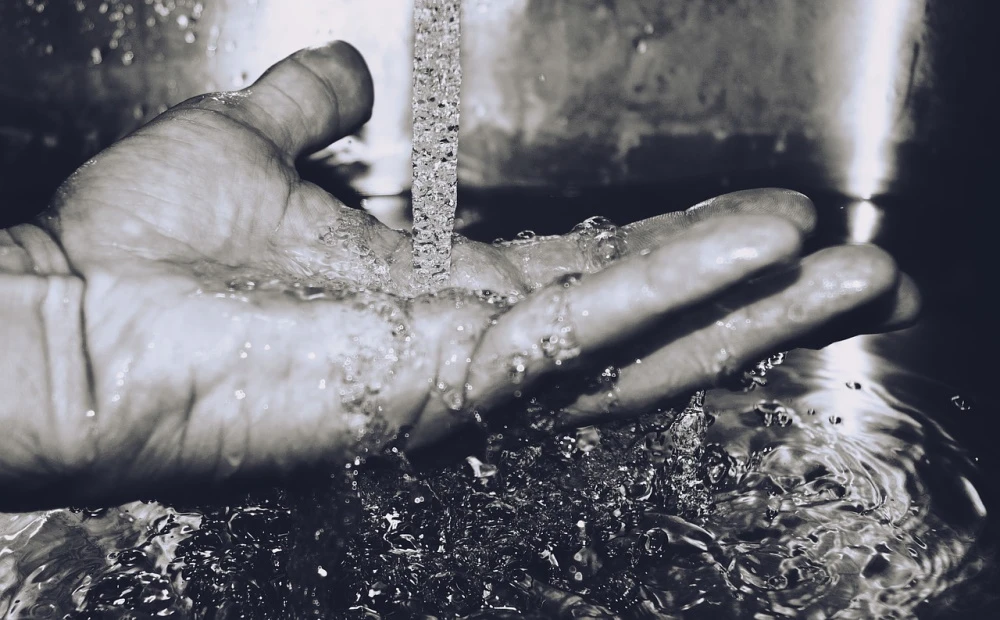
In developing countries, it is necessary to use only bottled water for brushing teeth, drinking, and even cooking, never tap water. Filtration tablets or other chemical disinfectants are only suitable for short-term travel. Therefore, when traveling to poorer countries or areas without safe drinking water, it pays to invest in a bottle with a triple filter that cleans any stagnant or running water. Beware of ice, as most restaurants and bars make it from tap water.
Do not underestimate insects
Insects are becoming the biggest enemy when it comes to disease transmission. The only prevention against not only the feared malaria is a mosquito net. It must be large enough and, above all, check it every evening for tears. The mosquito that transmits malaria is smaller than local mosquitoes, and it can get through the net even through a small hole. Find space in your suitcase for repellent as well.
You can read about which vaccinations are needed for the most visited countries in the world in the table, but even so, don't forget to click a few times on the Ministry of Foreign Affairs website and possibly visit a vaccination center.
Tip: are you going abroad for a longer period? You might want to know how to safely transport oversized luggage.
Photo source: pixabay.com


