


Šumava is the largest of our national parks. It is almost twice the size of Krkonoše National Park and eleven times larger than Podyjí. Therefore, in this case, I will not offer you a route that goes through the entire park, as was the case in previous articles, but only a part of it. Once again, however, you can look forward to a varied repertoire of famous and lesser-known, yet equally interesting places. Total route length: 73 km (route map)
This time we will start from the shores of our small Czech "sea" – Lipno. The forty-two-kilometer-long reservoir is a great place for all water sports. Among other things, you will find another Treetop Walkway (mentioned in the article about Krkonoše) or perhaps the ruins of Vítkův Hrádek castle. However, this time we will be interested in the Bear Trail, which will lead us to Perník mountain.
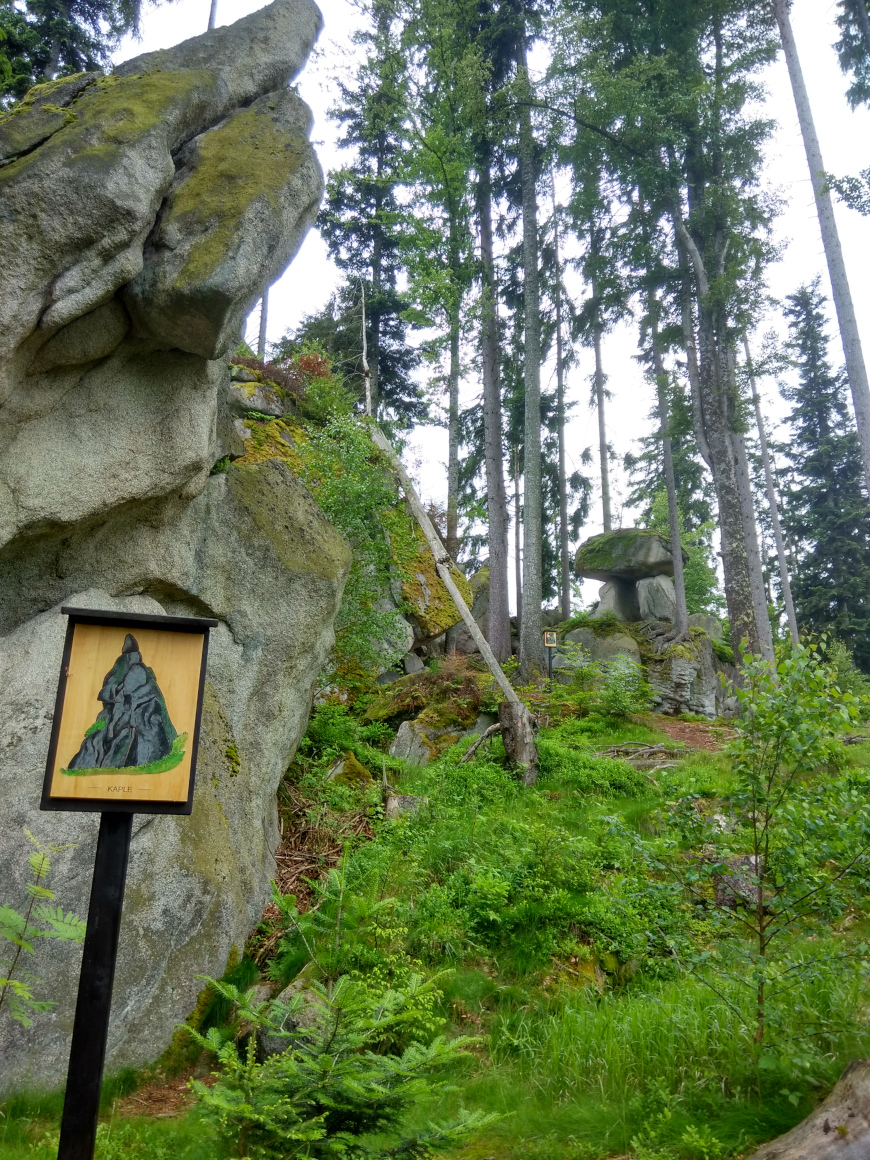
An interesting feature of the trail is the many fantastic rock formations that are literally scattered along it. You will see Perníková skála (Gingerbread Rock), the Gothic Portal, the Mushroom, or the Viklan (rocking stone), which seems to defy gravity itself.
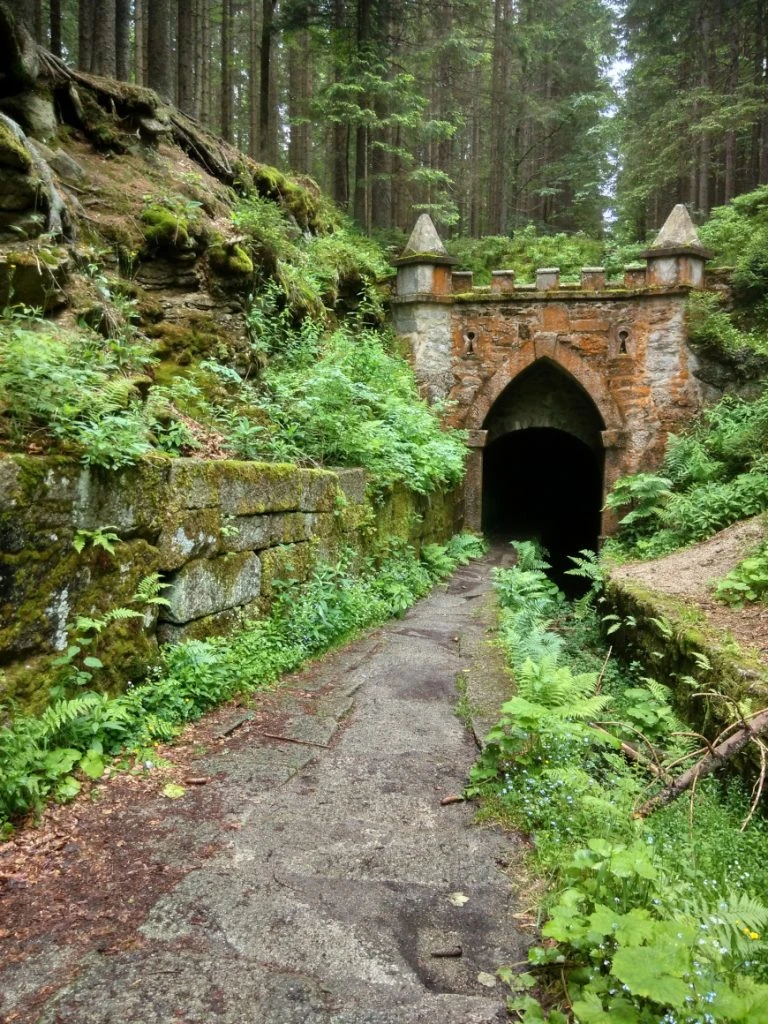
The trail will lead us past the poetic Jelení jezírka (Deer Ponds) to Jelení vrchy. Since I mentioned log floating, you will also find the Schwarzenberg Navigation Canal here, a unique water structure from the turn of the 18th and 19th centuries, which served for nearly 170 years for transporting harvested timber.
Some parts of this sophisticated system have been preserved to this day, for example, a nearly 400-meter-long forest tunnel.
Following the Bear's Footsteps
From Jelenská hora, we could easily take a detour to the highest mountain of Šumava – Plechý (1378 m a.s.l.), where you can enjoy the view of the glacial Plešné Lake. However, we would have to walk a few extra kilometers, so we will continue on our route. Around the monument to the last bear in Šumava (let's hope these beautiful animals will one day return to Šumava), the trail will lead us to the Vltava meadows, where the Vltava is born by the confluence of its two source tributaries: the Warm and Cold Vltava.
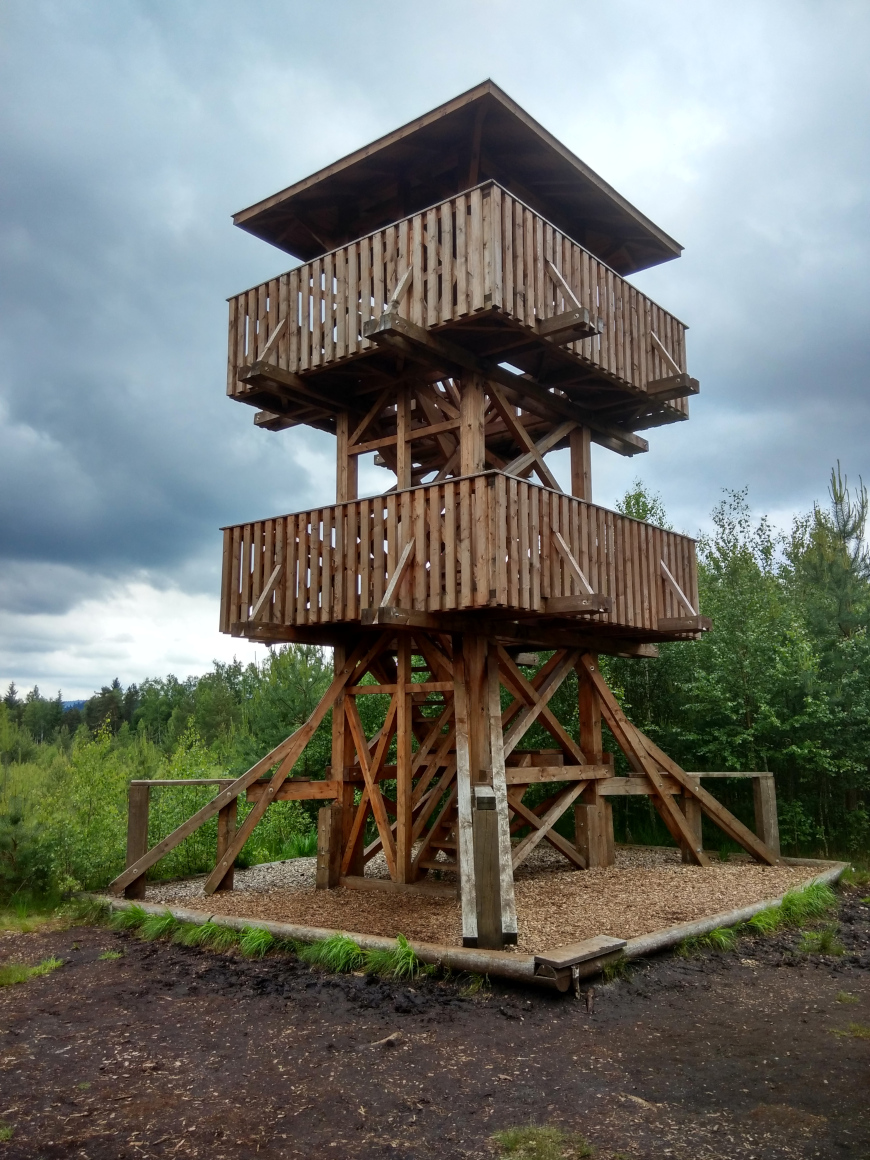
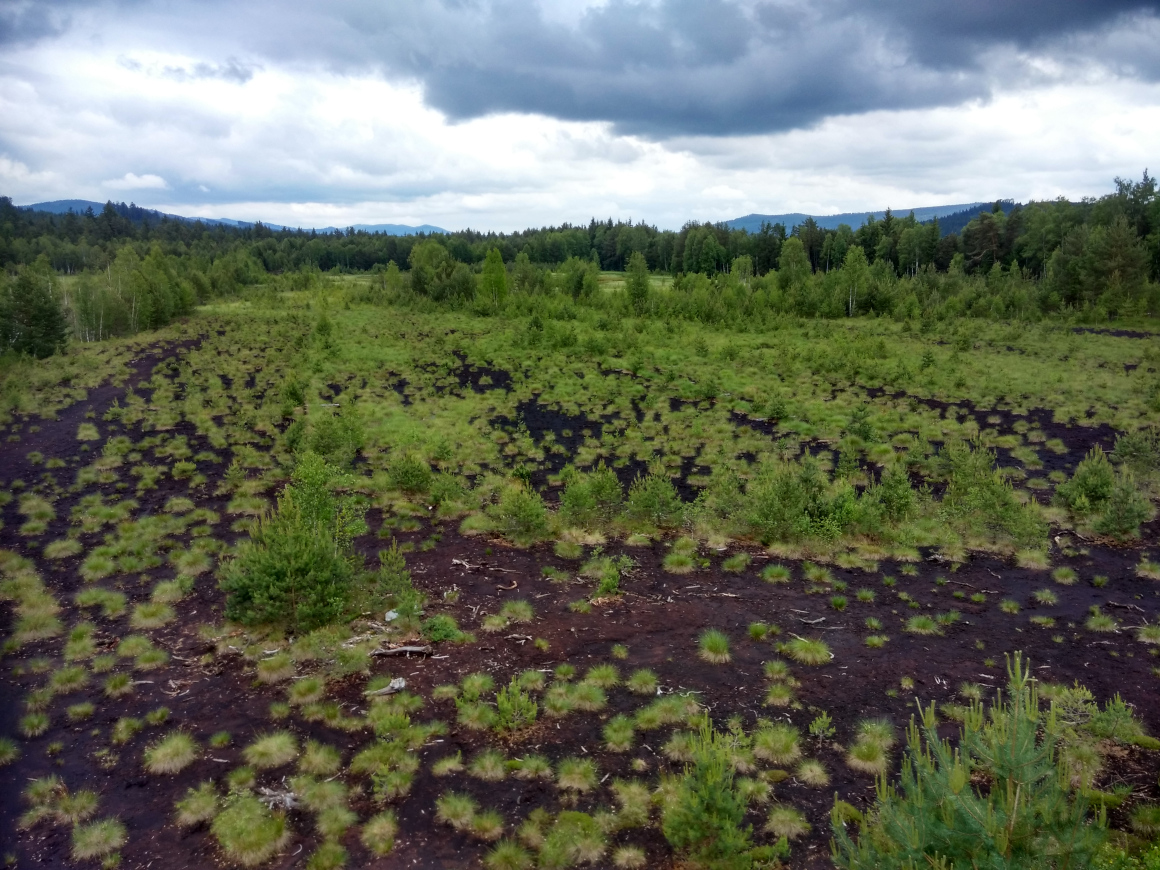
From there, it is just a short distance to the Soumarské peat bog, where we can learn about the process of revitalizing a peat bog exhausted by industrial mining, but also about this unique habitat itself, which is guided by a very nice educational trail. From the wooden observation tower, you can then view the entire peat bog from above. In the village of Lenora, let's not miss the uniquely preserved village oven, where less affluent villagers could bake bread since 1837. Here we will leave the national park boundary for part of the way, but don't worry, we will return to it again.
The Powerful Energy of the Primeval Forest
Not seeing Boubín would be a great shame. At its peak, you will find a great observation tower from which you can see in all directions (it is the highest located observation tower in the Czech Republic after Praděd). However, the main treasure of the mountain is the Boubín Primeval Forest, a national nature reserve that was declared 161 years ago, making it one of our oldest reserves.
Thanks to it, you will see an exceptional example of a natural beech-spruce forest that is left to itself. An educational trail will guide you around the core part of the primeval forest, which is closed for nature conservation.
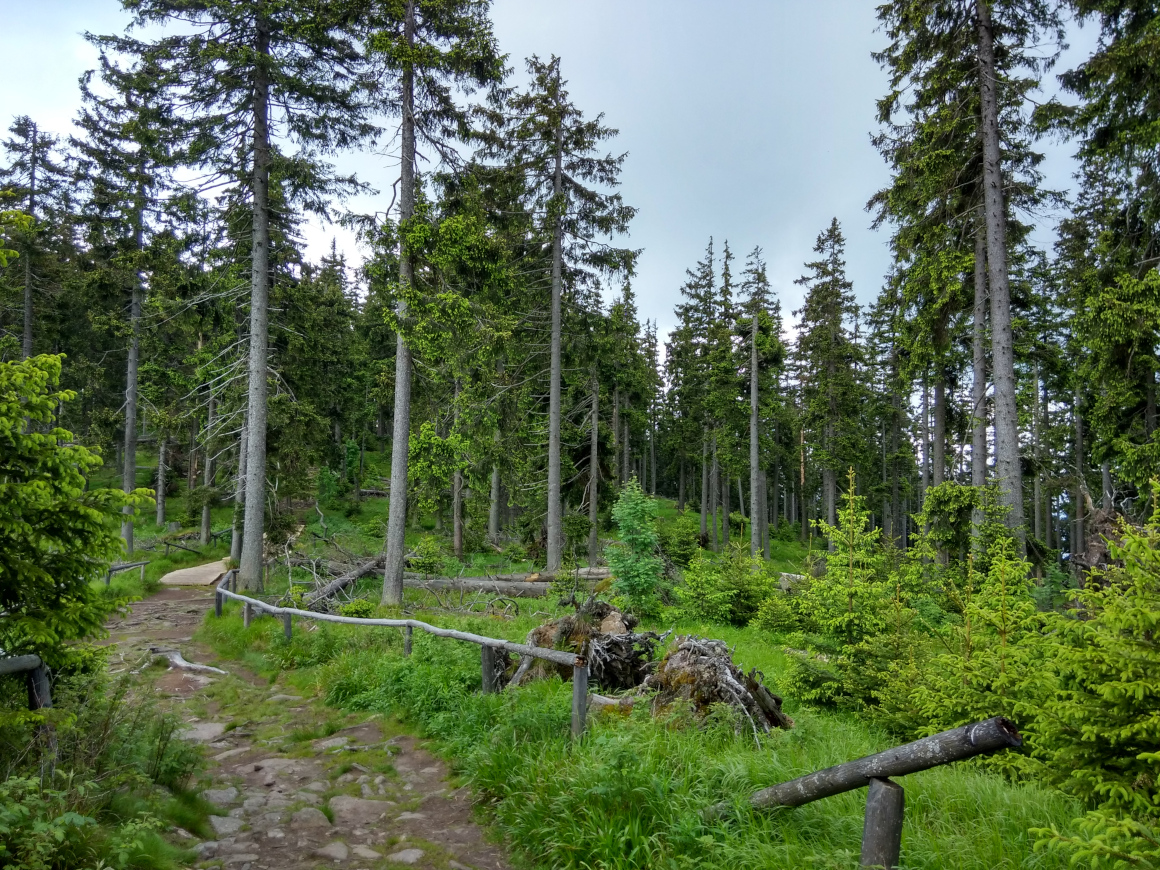
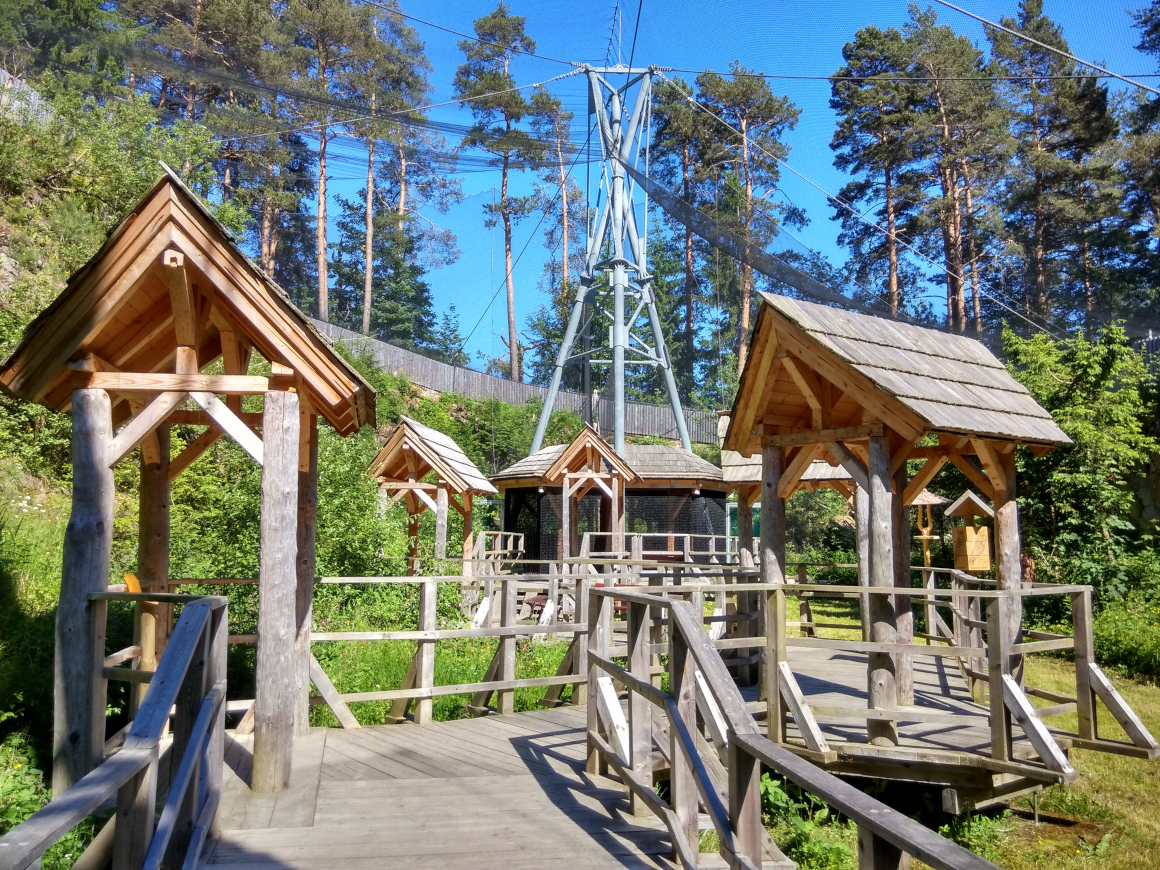
Below Boubín, we will pass through Kubova Huť, where we will see the highest railway station in the Czech Republic (995 m a.s.l.). The Wolf Stone may remind us of the shooting of the supposedly last Šumava wolf in 1874, but today we have a reason to rejoice – these shy predators have been naturally returning to the Šumava forests in recent years. If the weather is clear and we take a small detour from the route, we can see as far as the highest mountain range in Europe from the Alpine Viewpoint. Near Borová Lada, two interesting stops await us. The first will be the Owl Aviaries, where you can admire these elegant nocturnal birds in outdoor aviaries.
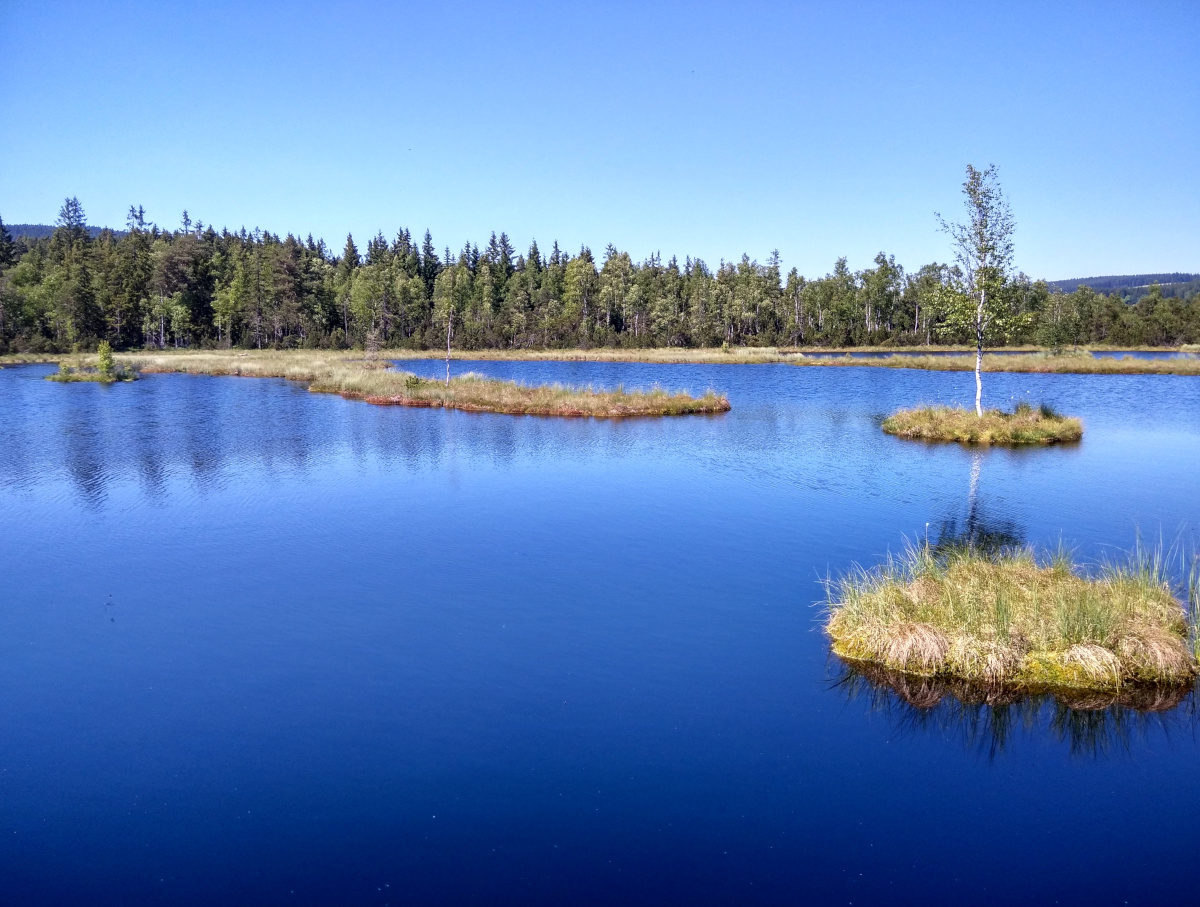
A short distance behind the village, we will reach Chalupská slať, a raised peat bog that offers a view of the largest peat bog lake in the Czech Republic, called Chalupské. Near Kvilda, we will see other natural inhabitants of Šumava: red deer and lynx. We will end our journey through Šumava with a tour of the third peat bog, called Jezerní slať. We can find it between Kvilda and Horská Kvilda, which are the highest located villages in the Czech Republic (1065 m a.s.l.).
In Šumava, as in every other of our national parks, there are still many places that I have not shown you, and which are worth visiting. I invite you to explore areas that belong to the greatest treasures of our country.


