


Trekking, multi-day hiking, or climbing? For the Vaude Zerum 38 LW, it's definitely no problem! This ultralight, minimalist backpack is made for the most demanding adventures!
| Pros | Cons |
|---|---|
| + adjustable back system | - top-loading only |
| + aluminum frame | - lacks a front pocket for small items |
| + extra light, weighs only 860 g | - missing extra pockets on the hip/shoulder straps |
| + excellent stability when carrying heavier loads | |
| + durable PFC-free material |
Choosing a hiking backpack or a smaller trekking pack turned out to be a surprisingly tough nut to crack. Navigating the sea of outdoor brands and tips for their flagship products is far from enough. That is why this time, I didn't rely on logic and guaranteed advice, but rather on my gut feeling and personal experience with how the backpack "fits" on my back. And so, I unexpectedly discovered the Vaude brand and its Zerum model.
Lightness and comfort in perfect balance
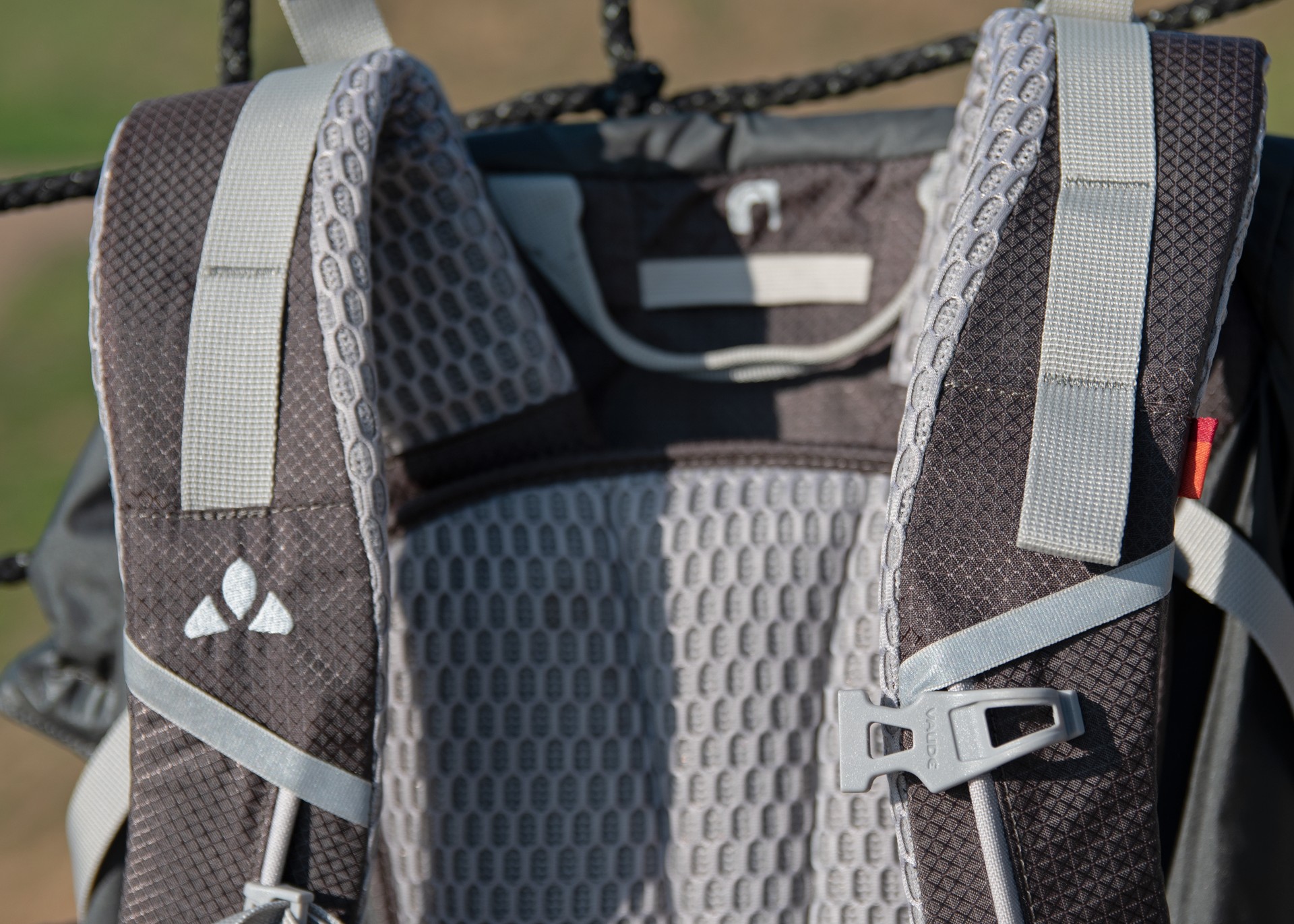
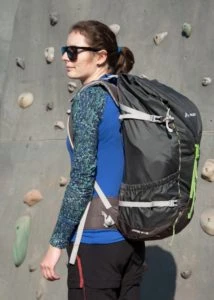
The Tergolight back system pleasantly surprised me. I'm not a huge fan of integrated frames, but this time, the lightweight aluminum frame sewn into the back panel didn't bother me at all. Quite the opposite. Thanks to it, the backpack easily handled trekking gear weighing about 10 kg, and when moving in sloping terrain, it worked with the load lifter straps to ensure stability and even weight distribution on the hips.
The back system is adjustable, so anyone can set it according to their height and back length. I didn't have to measure anything; I just intuitively chose based on the size of the t-shirts I wear most often, and it was solved. The backpack has a fairly wide range of sizes from S to XL. It fits perfectly for everyone whose height is 175 cm or less.
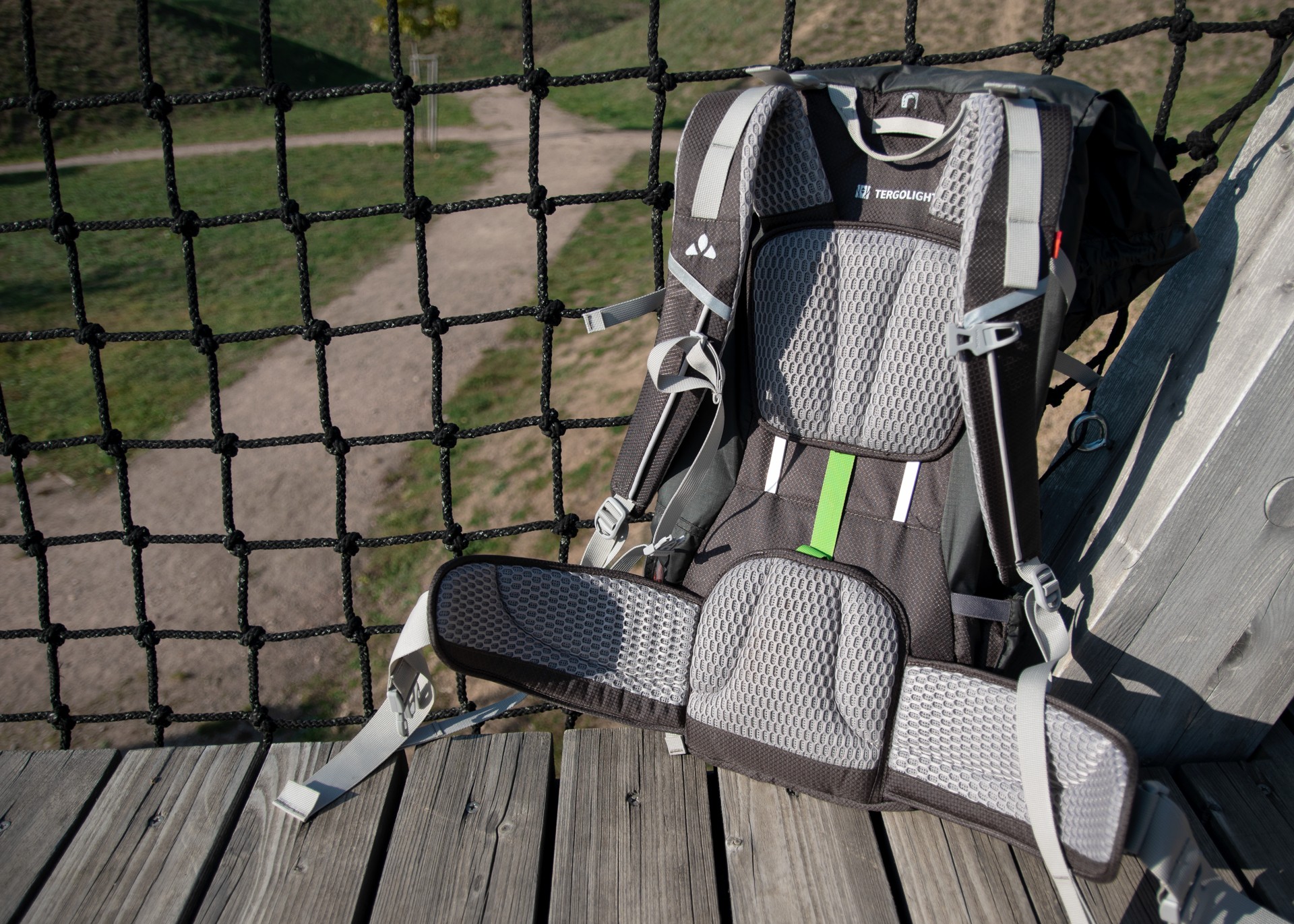
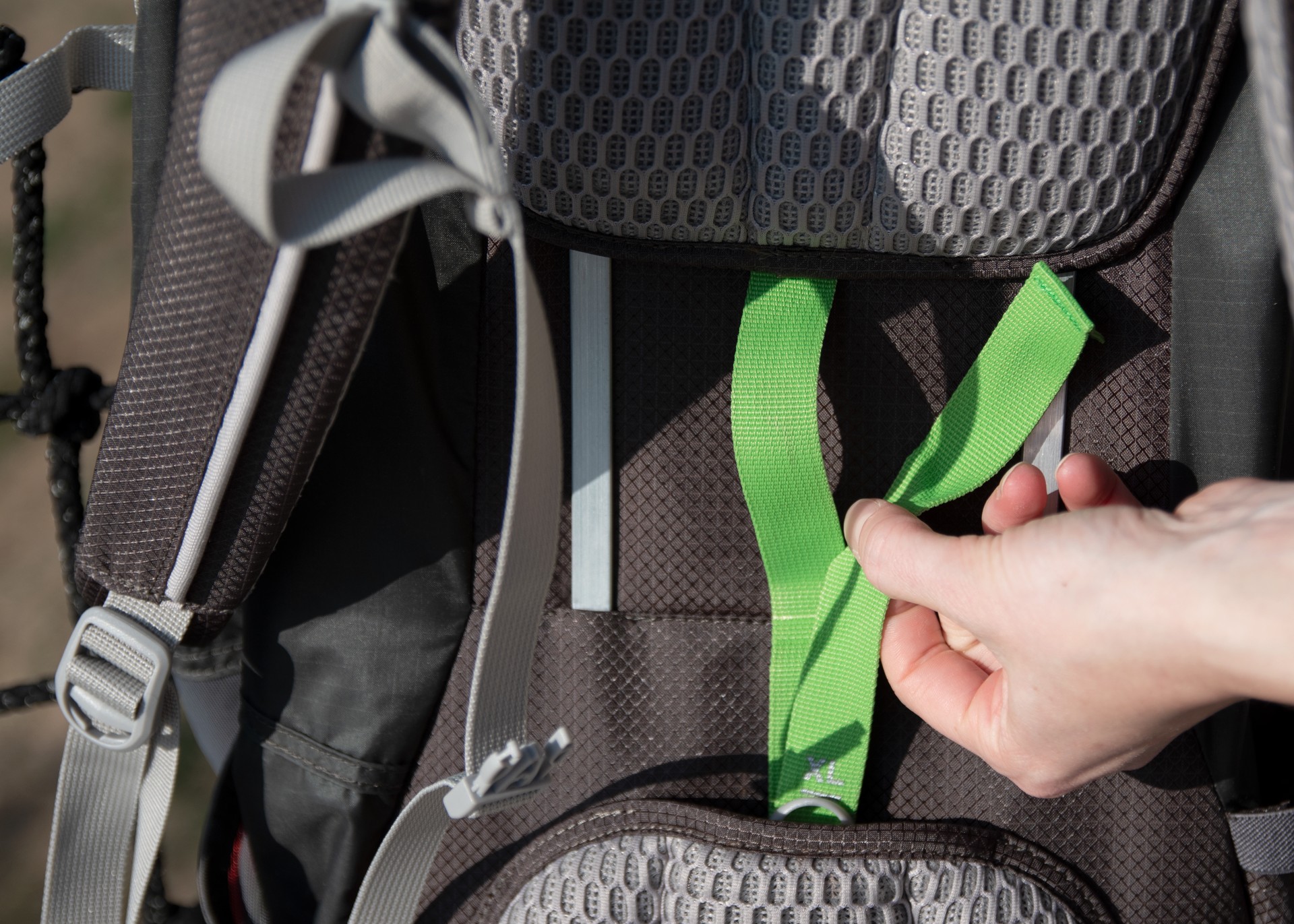
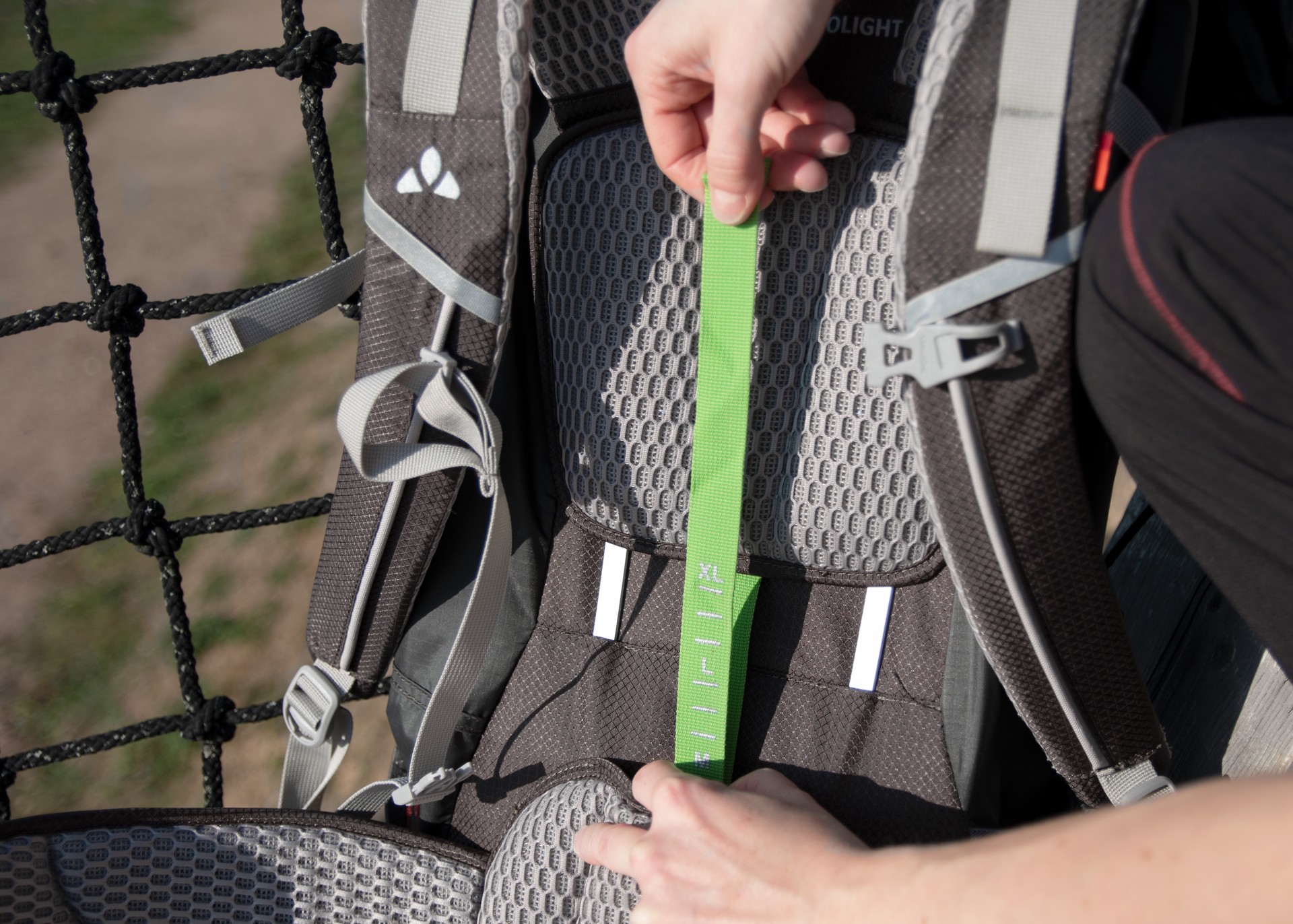
The shoulder straps, chest strap, and hip belt can also be easily adjusted to your height and needs, which helps save your back. Thanks to the ability to pull the backpack as close to your back as possible and the padded hip belt, I can easily adjust the center of gravity as needed, for example, during different activities or in varied terrain.
The padding with breathable mesh also didn't disappoint; it is soft and flexible. It doesn't scratch the back or shoulders, doesn't restrict movement, and allows the back to breathe thanks to air circulation.
Functional details for trekking and other activities
The hidden pocket in the top lid is accessible from both the outside and inside and closes easily with a zipper. I put what I need most often inside. On a trek, it's the most suitable place for a first-aid kit; when traveling, it serves as storage for a wallet, mobile phone, or snacks.
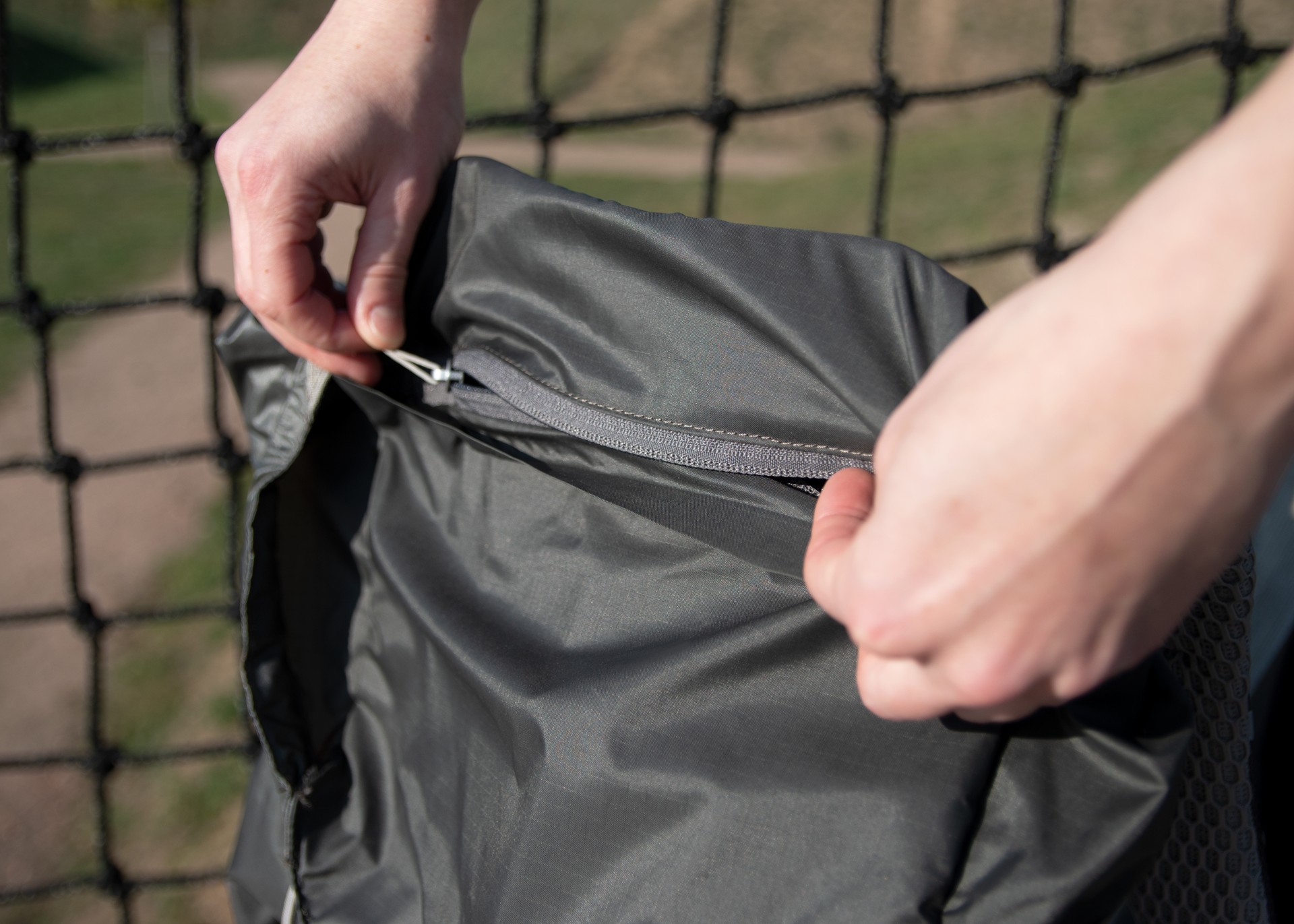
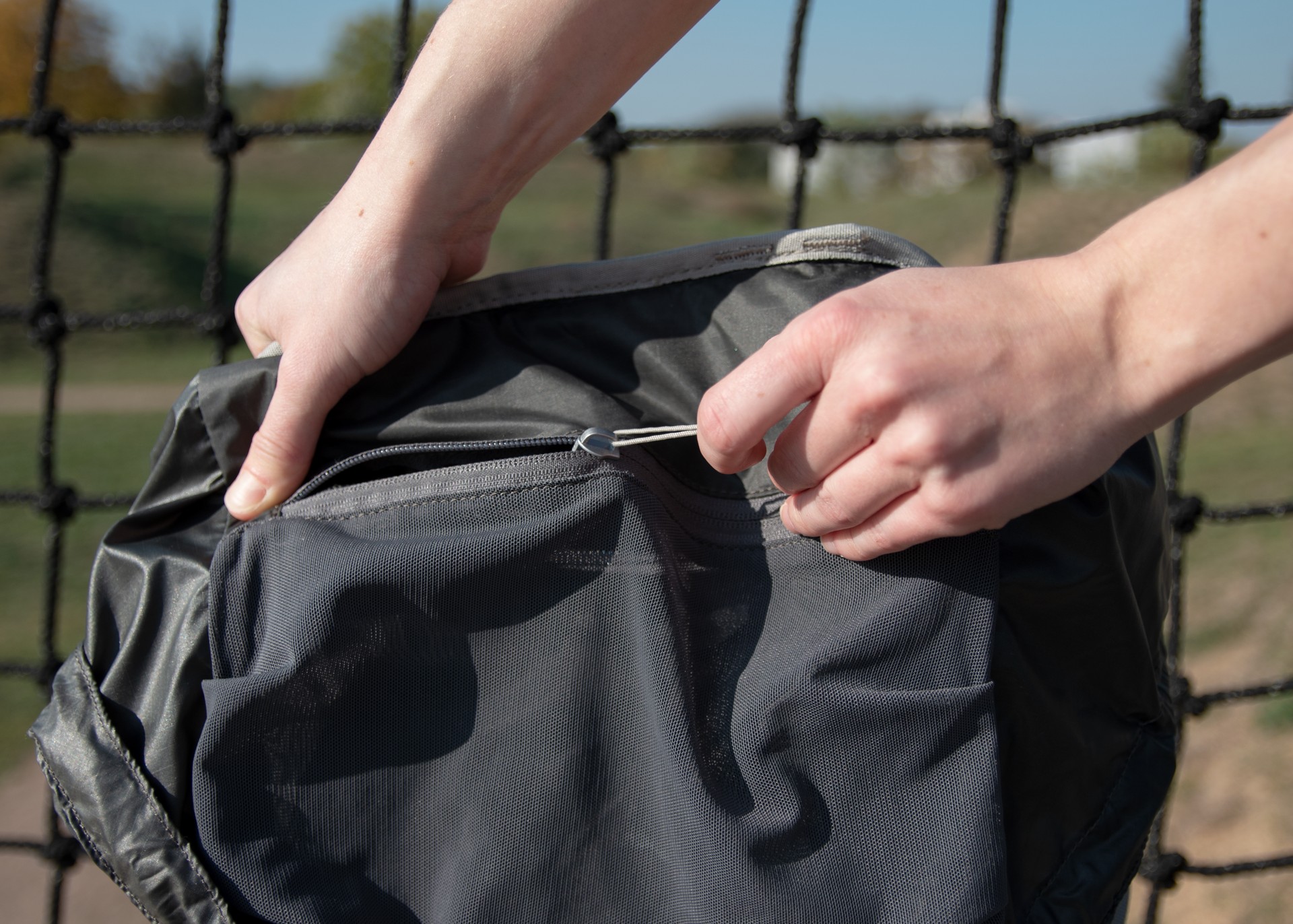
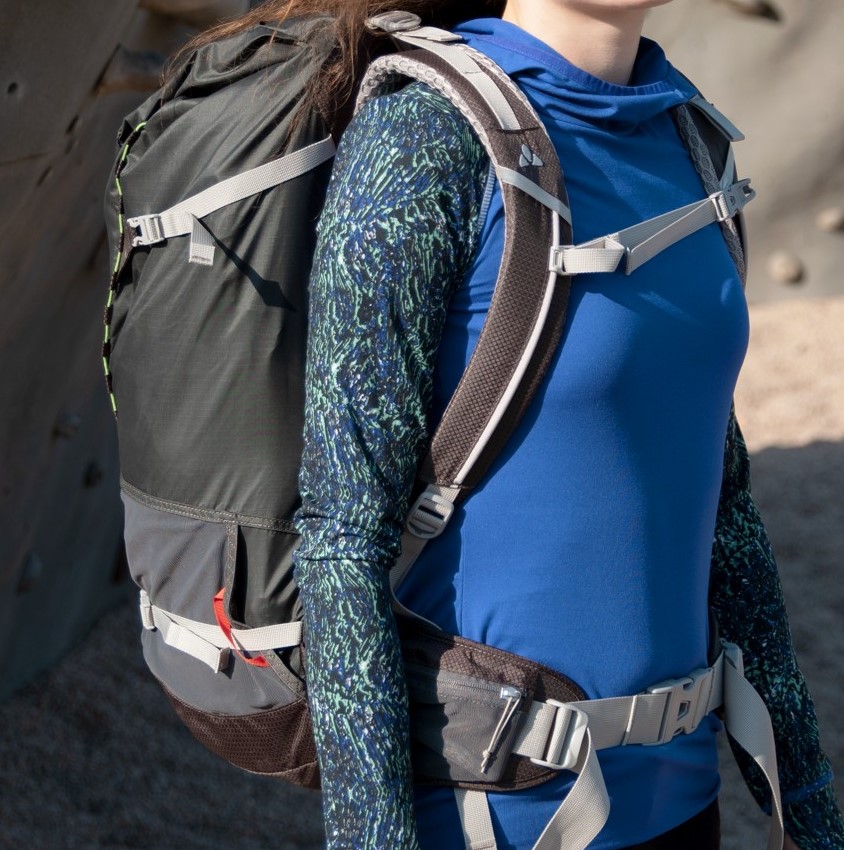
The extra large and spacious side pockets have an interesting design. One is textile with an elastic hem, so it's ideal for storing bulkier items that I want to keep handy, but thanks to the drawstring, I don't have to worry about them falling out during movement. The second pocket is mesh with rear access for convenient handling with one hand. Thanks to the very flexible material, it can even fit a 1-liter Nalgene Wide Mouth bottle.
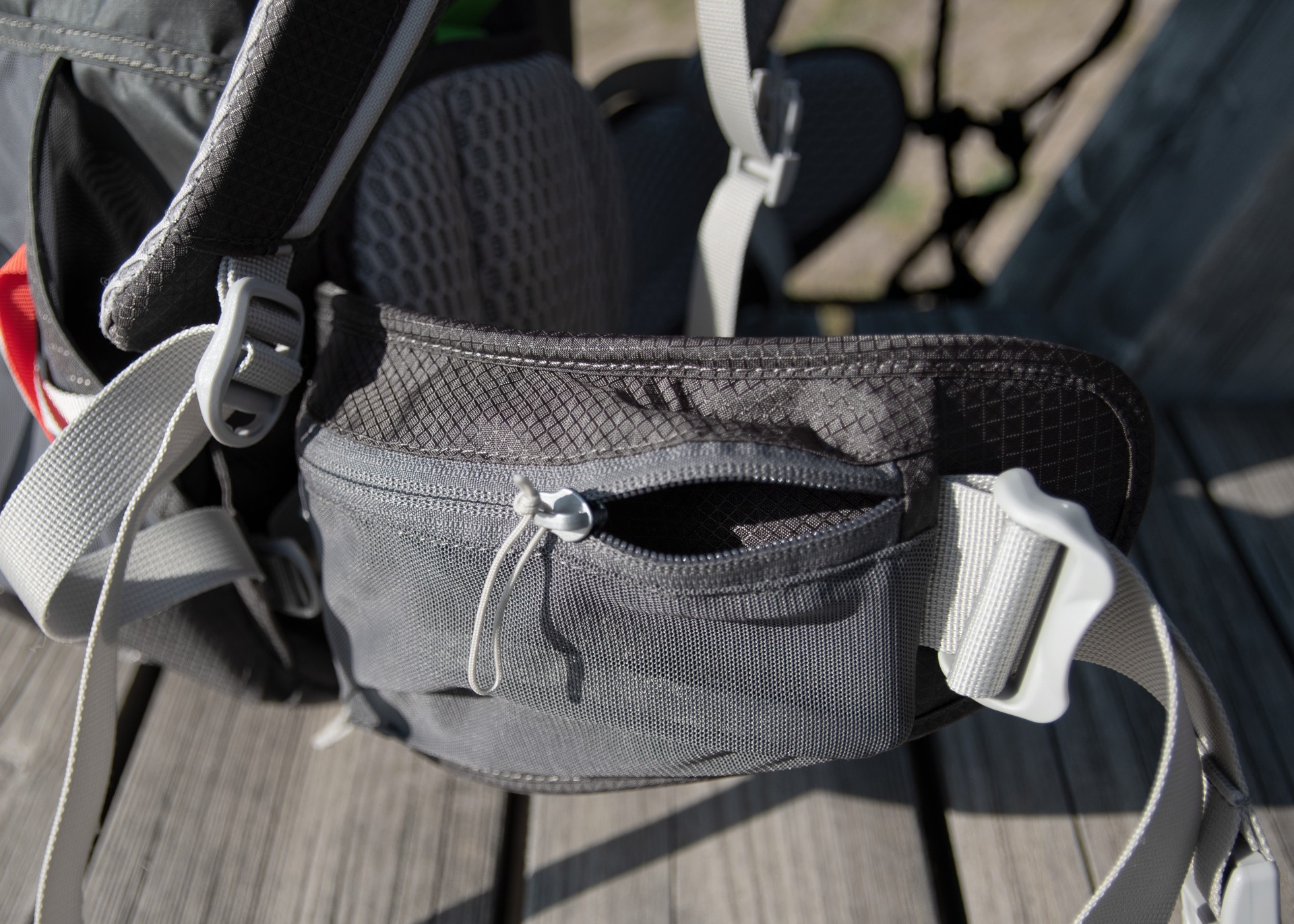
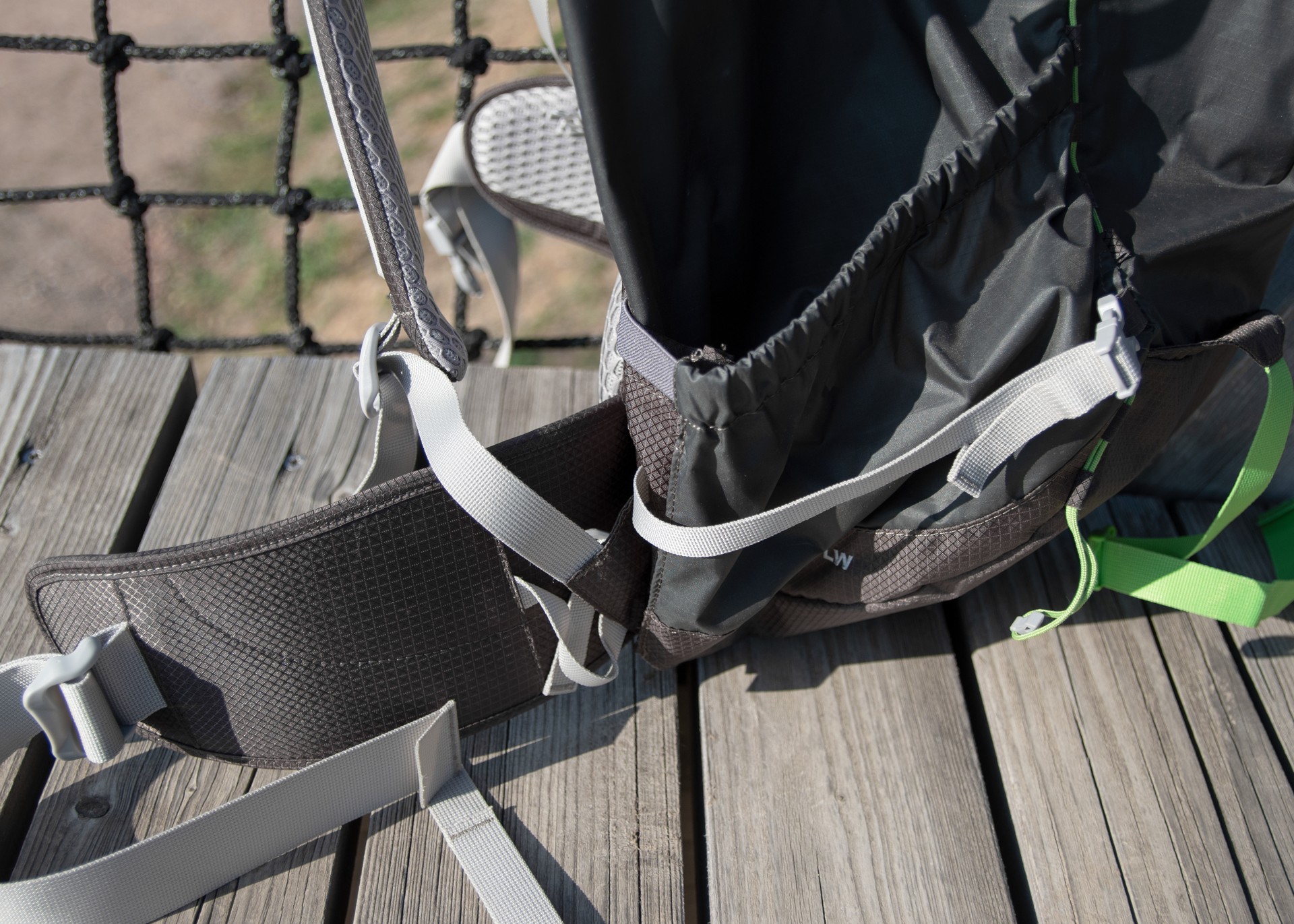
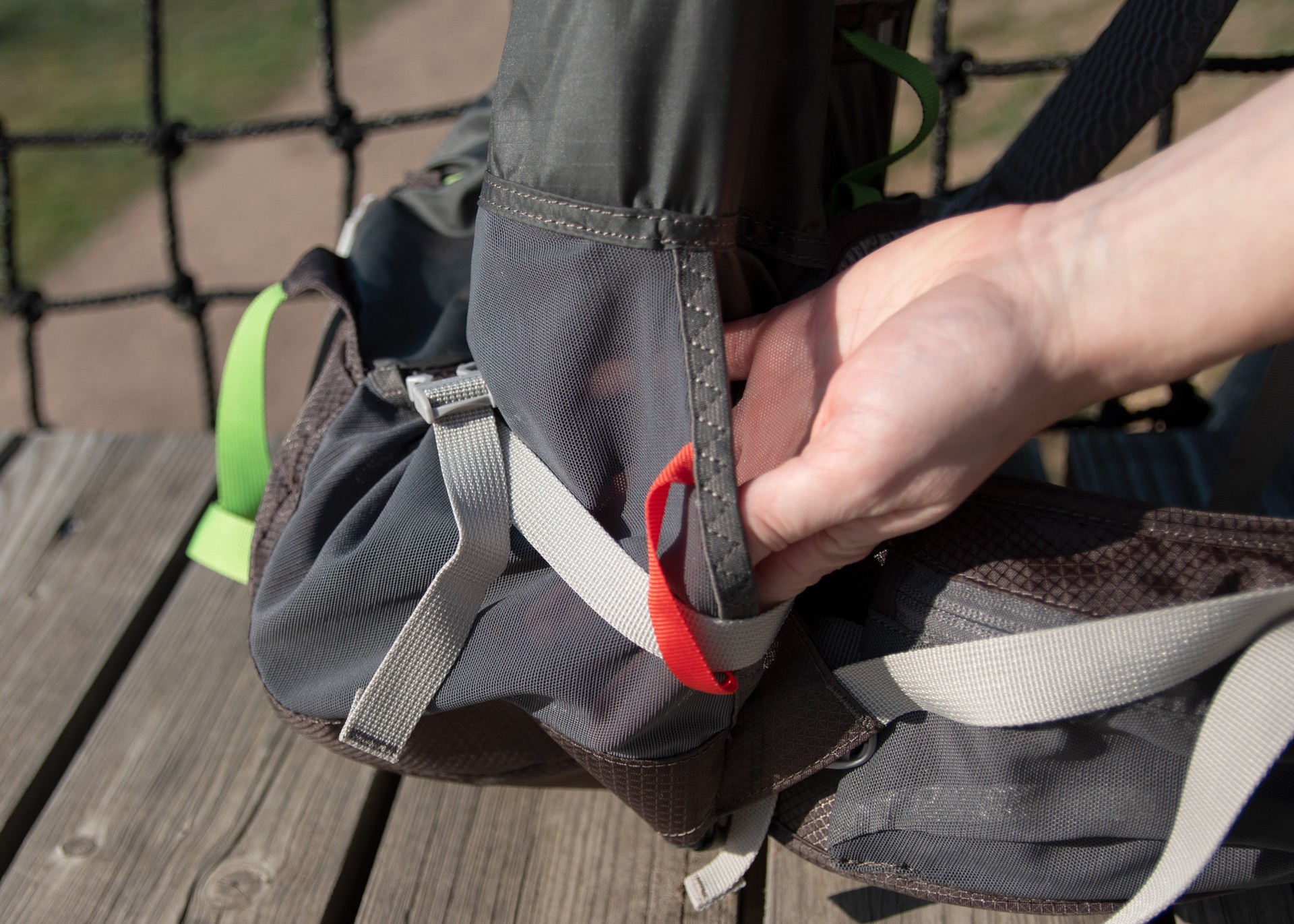
A reinforced bottom is essential; with the Vaude Zerum backpack, I was pleased that it is robust yet ultralight and waterproof. It protects the load from moisture and dirt, and in case of placing the loaded backpack on the ground in uneven or rocky terrain, also from damage.
The hydration bladder pocket in cooperation with a loop for fixing the hose, including a plastic holder, are indispensable helpers during demanding mountain hikes and crossings. They make drinking easier for me and generally ensure I stay hydrated without having to stop and take the backpack off my back.
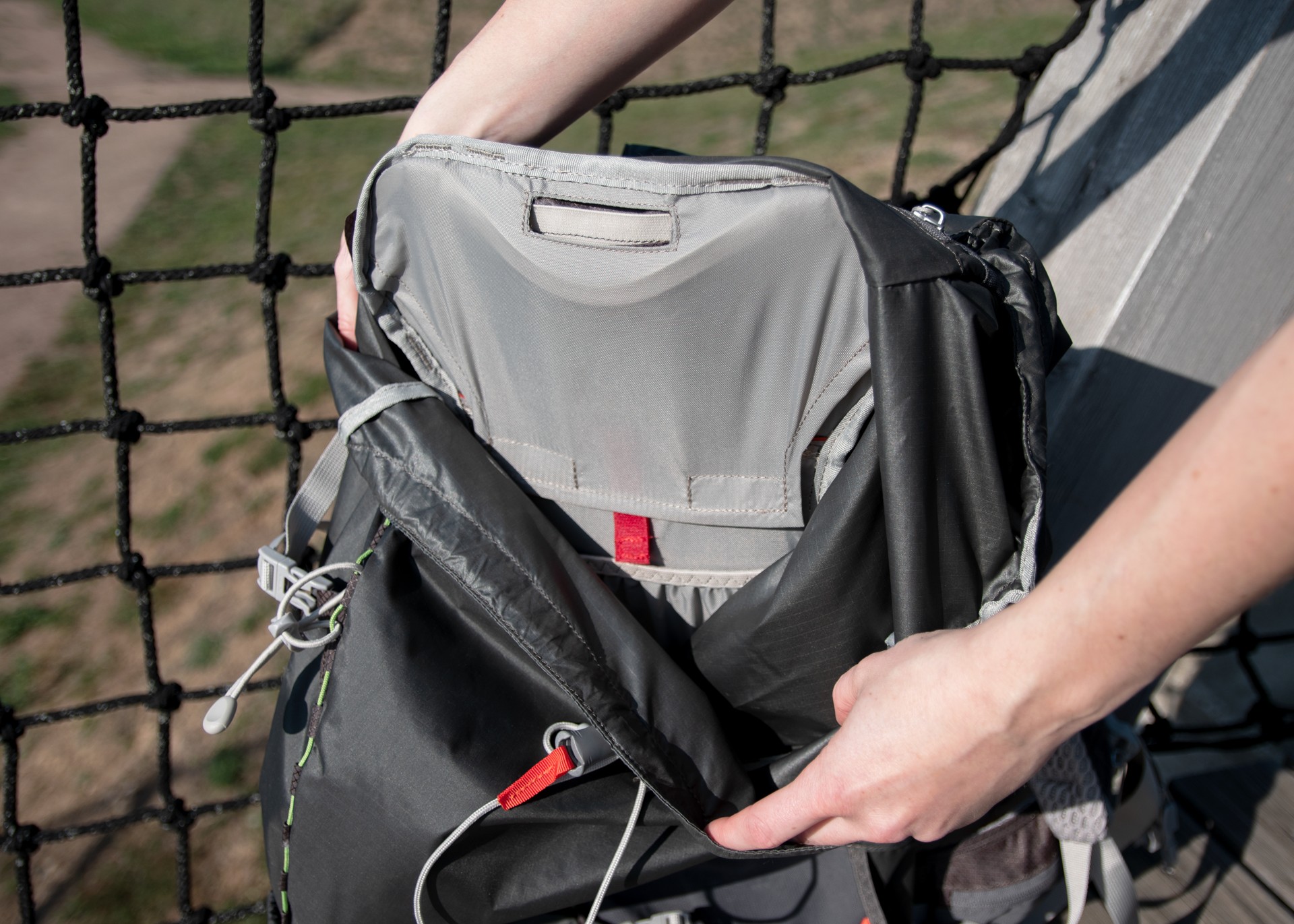
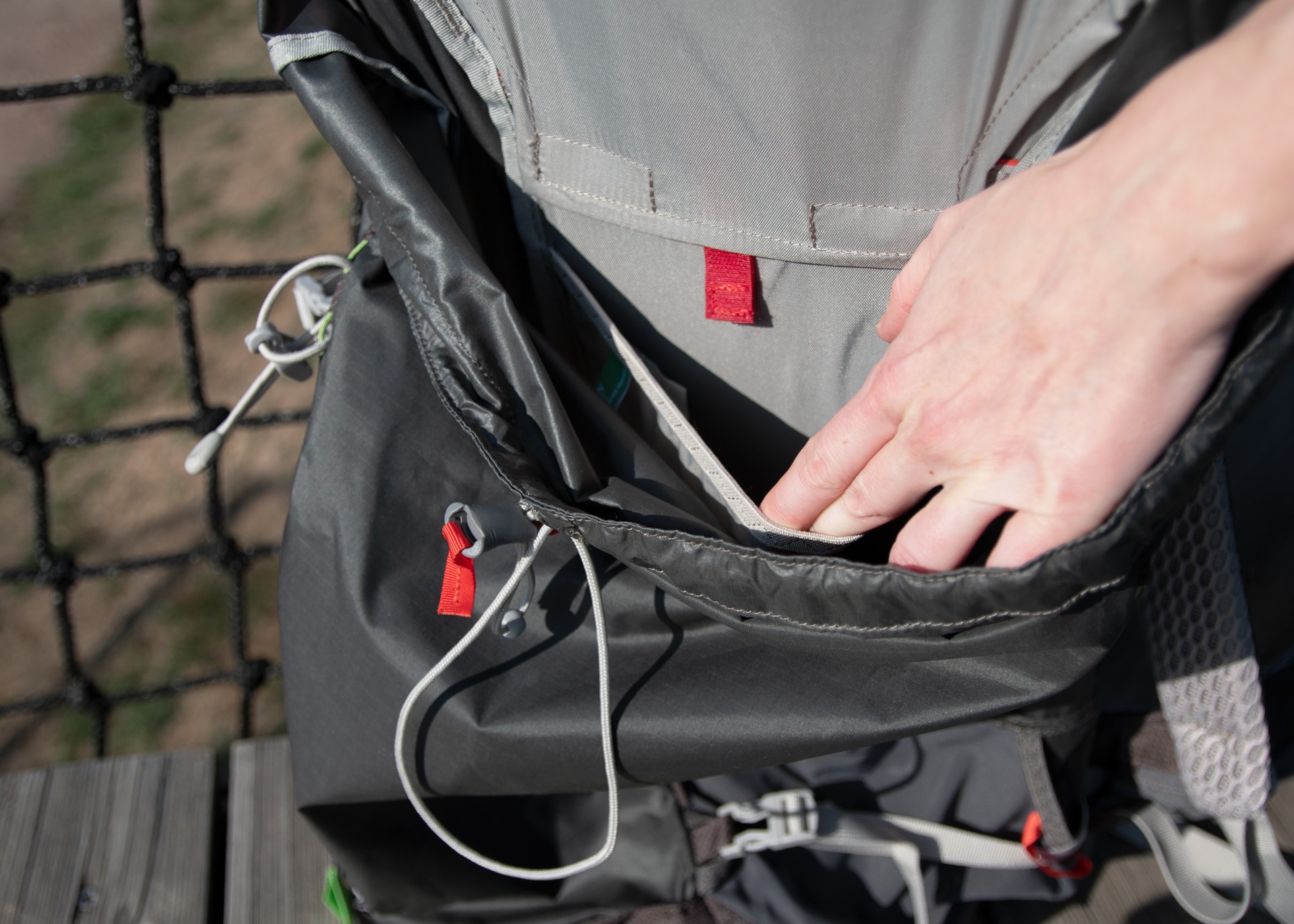
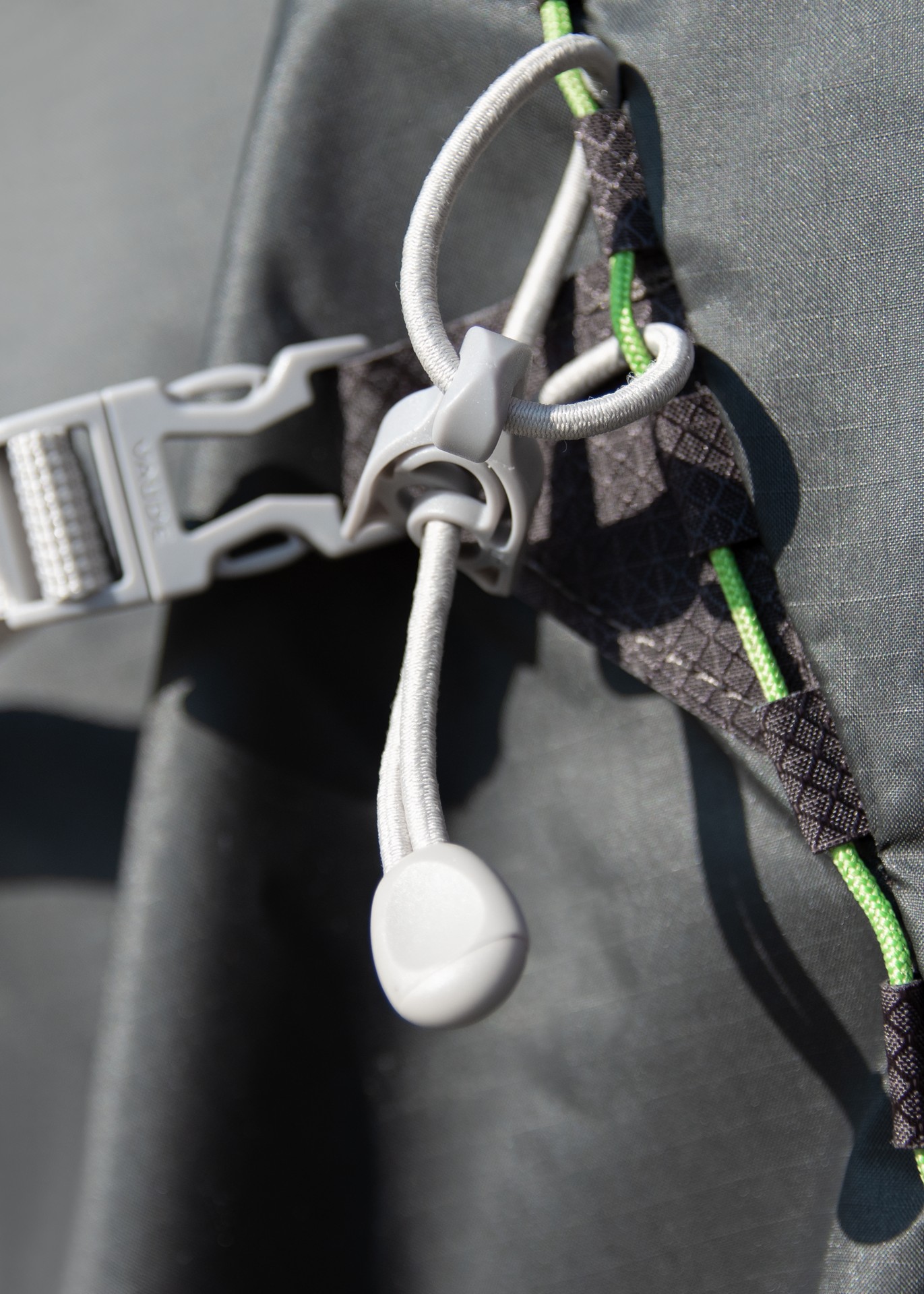
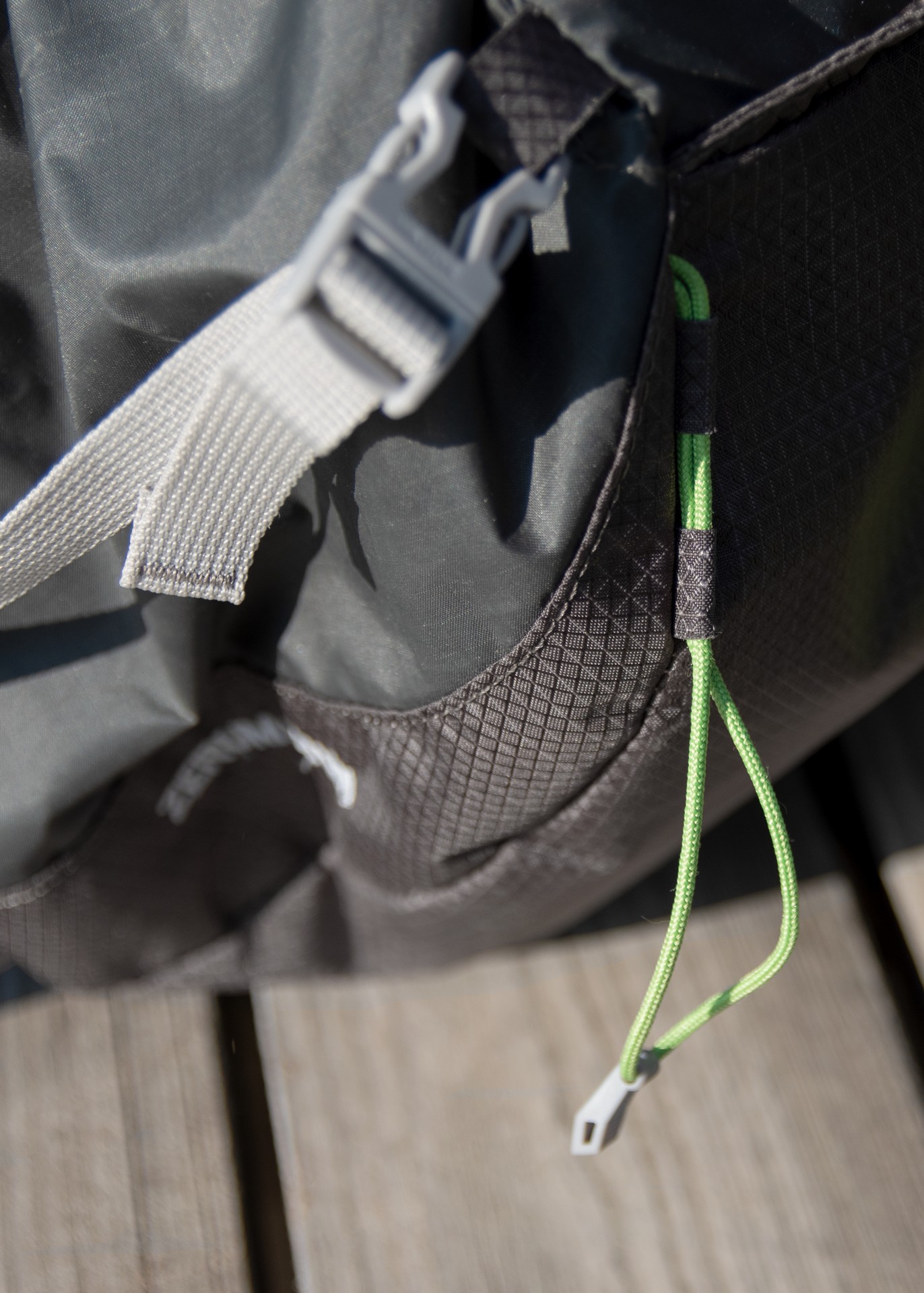
Loops for attaching trekking poles are priceless on a hiking backpack. What I like most about them is that it is possible to attach other equipment to them that I don't want to or can't carry in my hand. Similar to the loops, the compression straps on both sides of the backpack can be used. Just a string or a carabiner is enough, and I can hang other gear on them - a mess kit, a mug, shoes, a bag with supplies, or another bottle.
Compression at its best
Neither too big nor too small, just right. Thanks to the compression straps and a clever drawstring closure, I can adjust the volume of the backpack to a compact size, reducing it by more than half. If I don't have a smaller backpack available, I can comfortably set off on a shorter hiking trip with the Zerum.
Ecology comes first
Durable material with eco-certification and an eco-impregnated Eco Finish layer will definitely not offend any nature lover. It does not contain toxic and health-threatening fluorocarbons (PFCs), which cannot decompose in nature on their own. Eco Finish is therefore an environmentally friendly way to ensure the backpack's water resistance. Vaude generally ensures that the products it produces are made in a sustainable way and are as gentle as possible to nature and the environment. The proprietary Green Shape label is therefore not only comparable to the most well-known bluesign® certification, but the manufacturer also strives to ensure fair working conditions for its employees.
TIP: You can read more about Vaude's corporate philosophy, ecology, and product manufacturing in our other article.
More than just satisfaction
Vaude Zerum 38 LW is a hiking backpack for all conditions. We have experienced countless treks in the mountains, across meadows and rocky paths, not excluding snowfields, and it always carried everything I needed for about three days of survival outside of civilization without a scratch. It is comfortable to wear and lightens even a heavy load. The PFC-free eco-friendly impregnation also handled bad weather fantastically. Even without a rain cover, the things inside remained dry.
What would make my life easier, and is somewhat missing on the backpack, is definitely some front pocket where one could store, for example, a map, or perhaps straps for attaching a sleeping mat.
A minor flaw, which I had to get used to the most, was the absence of a front entry to the backpack. I had to pack and unpack everything only from the top; on the other hand, it helped me improve in packing and anticipating various situations where this or that would be needed. Today, I definitely don't see it as a major problem, but rather as a challenge.
Since I purchased a top-tier and versatile eco-product, I expected higher acquisition costs. For myself, however, I can say with a clear conscience that the investment paid off and is returning to me in comfort and joy on every expedition.
How and based on what do you choose your hiking backpack? Do you also have your favorite for trips that you can rely on in every situation? Let us know in the comments what you like most about it.


