


You have probably heard a lot about Iceland already – amazing nature, breathtaking scenery, a place you will want to return to… And we cannot help but agree with it all.
Most travelers head to Iceland during the main season, i.e., from May to September, when they can enjoy endless light. Iceland lies on the very edge of the Arctic Circle, so in summer, daylight lasting up to 20 hours is no exception. You have plenty of time to discover the beauties of the island. And there are so many! So many that you will wish the day were much longer. On the other hand, this "light" luxury is offset by more rainfall, tourists, and higher prices. Simply the main season in full swing.
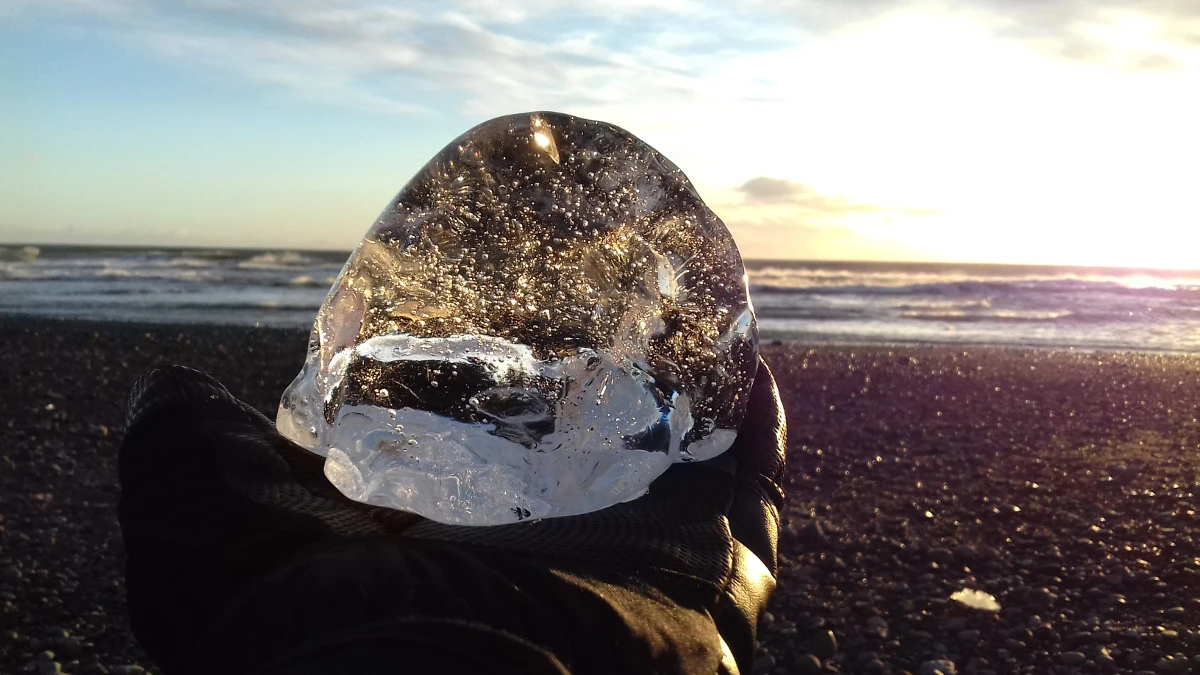
An interesting alternative is therefore to head to Iceland in winter. Of course, you may encounter temperatures well below freezing, but believe that winter Iceland has its charm. We fell for it too, so we have prepared a few tips for you on what you can experience in Iceland even during the winter months.
Vík – the southernmost village of the island
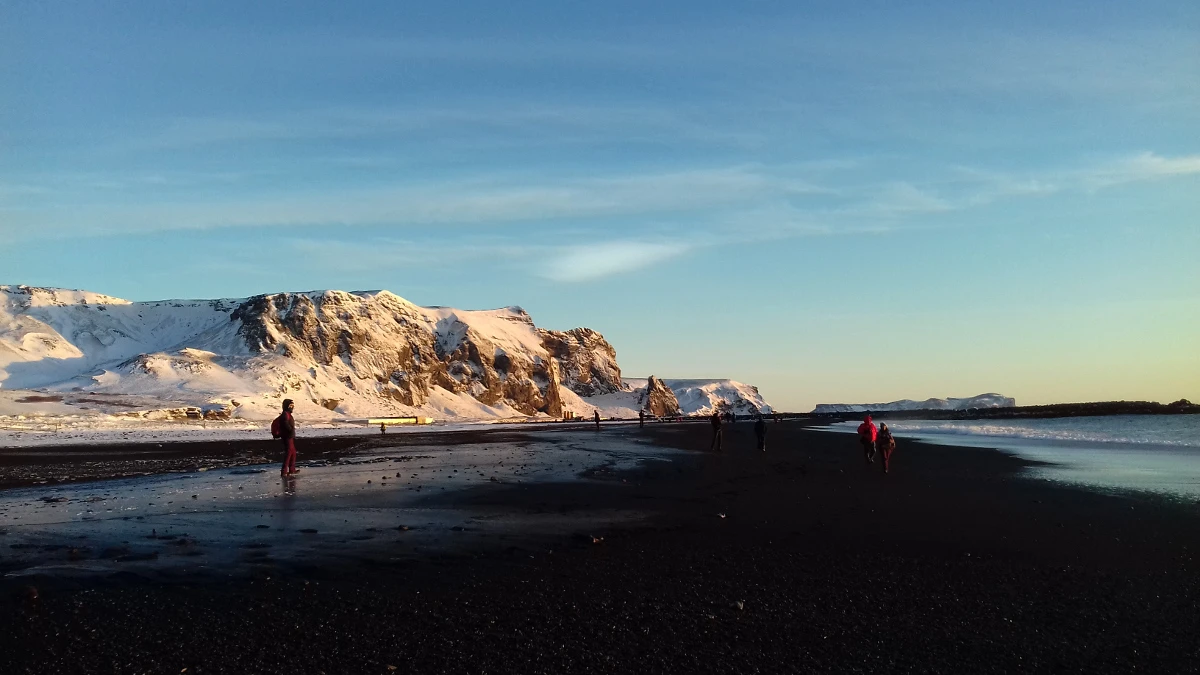
An evergreen among the top places that are definitely worth visiting in Iceland is the village of Vík. It is the southernmost village on the island, famous for its black beaches, puffins (a small seabird whose species is slowly becoming endangered), and amazing rocky cliffs. We must not forget the famous little church towering on a hill, with dark black beaches and jagged cliffs in the background.
Not far from Vík, you will also find the famous Reynisfjara beach, which is one of the most beautiful and at the same time most dangerous beaches in the world. From the black sand, basalt columns called Gardar protrude ominously like teeth.
Jökulsárlón Lagoon – an ice kingdom
Let's move to a place where your breath will be taken away. I dare say that as soon as you see the lagoon full of giant turquoise-colored icebergs, into which the winter Icelandic sun shines in a typical orange shade, you will be, like everyone around you, amazed in silent awe.
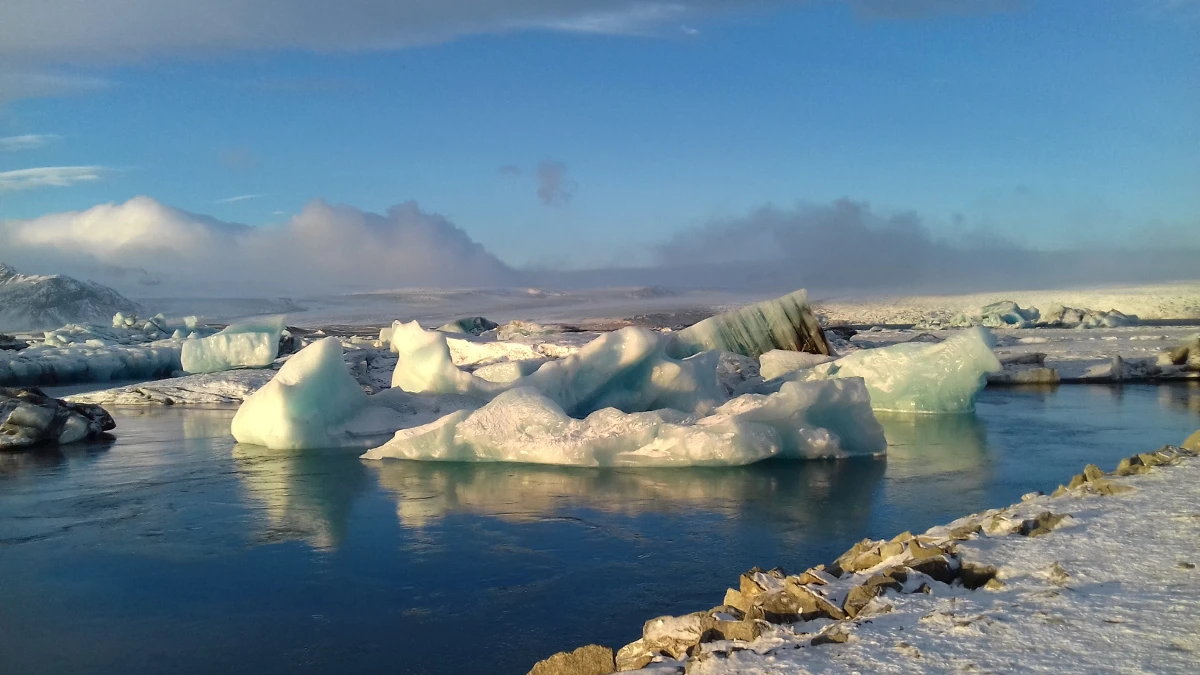
Ice formations gradually release from the lagoon and are carried by the river current into the sea. On the beach, they then create an abstract work of art made of ice. During the winter, seals also reside here, so if you are lucky, you can spot them among the ice sculptures.
Thermal bathing – only with a beanie in the water
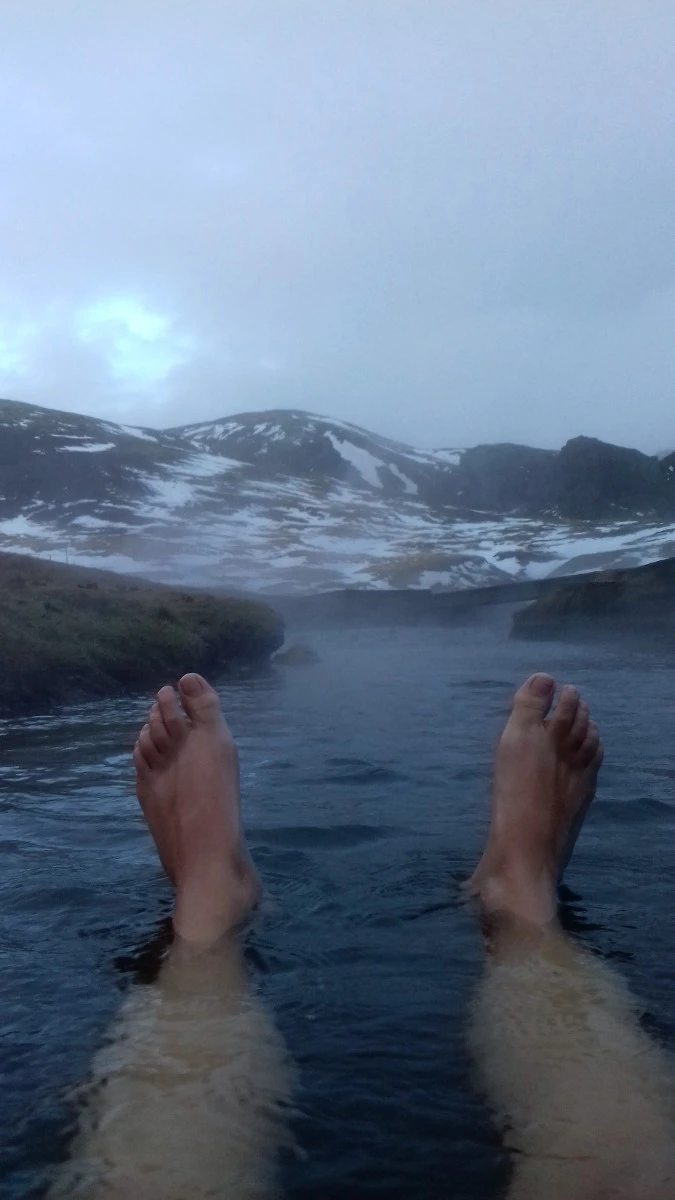
The town of Reykjadalur is at first glance a completely inconspicuous Icelandic town with a few houses and greenhouses. However, if you set out on an approximately three-kilometer walk to the hot river, you can enjoy a great dip in thermal water. Even in winter.
Initially, the path from the parking lot leads up a steep hill past various springs. Later, you reach a contour line, which you follow to the river.
The water is dammed in several places, so you can try pools of different temperatures and enjoy the comfort with a view of the surrounding rocks and hills. There are steps leading into the water, and changing screens are available on the bank. It is ideal to set out on the hour-long journey to the river in the morning to avoid other tourists and enjoy the bathing in peace and privacy.
Hard landing – Douglas Super DC-3 Dakota
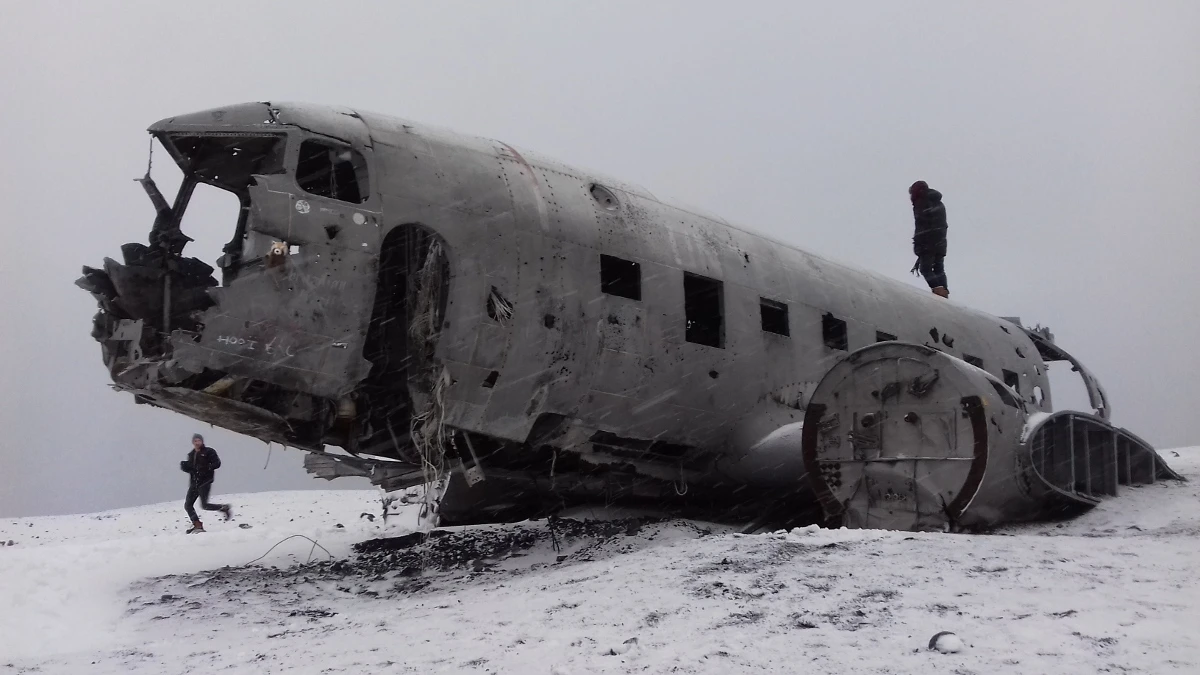
One of the most photographed places in Iceland is undoubtedly the decaying US Navy Douglas Super DC-3 Dakota aircraft, which crashed on November 21, 1973, on the south coast in the Sólheimasandur area. You can reach the plane wreck protruding from the black sand from the parking lot after a three-kilometer hike along a path across a desolate beach.
Not all that glitters is gold
Iceland is an island whose bowels are still seething. Among the most popular tourist "hot" spots is the so-called Golden Circle, where you will find both geysers and the point where the Eurasian and North American tectonic plates meet. There is also the Gullfoss waterfall, which, with its massiveness, belongs to the true natural wonders of Iceland.
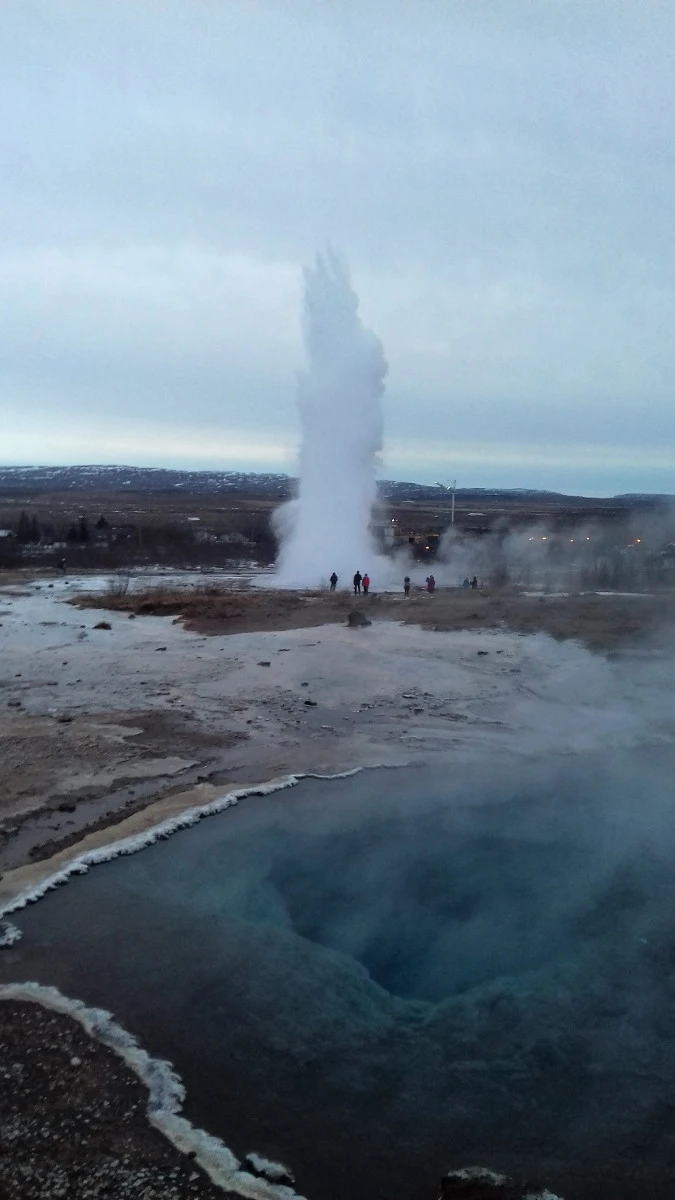
Another natural phenomenon interesting for us Central Europeans is geysers. The most famous one, named Geysir, once reached a height of up to 70 meters, but is currently almost inactive. Its smaller colleague – the thirty-meter Strokkur, which erupts at intervals of several minutes – has become the biggest attraction.
The last part of the Golden Circle is Þingvellir National Park, located approximately 50 kilometers from Reykjavík. It is therefore mostly the first place tourists head to in Iceland. You will find the place where the oldest parliament in the world was founded, and a bit further, a visible rift between the Eurasian and North American tectonic plates.
In short, Iceland is worth visiting in any weather.


