


The topic of the previous part of the Step by Step series was preparing, planning, and packing trekking gear. Good equipment is half the battle. Gear is a "tool" that can increase your comfort on the trek, save energy, or help you overcome potential obstacles. However, preparedness is not just about what you carry with you. It is especially about the state in which you set out on the trek.
Uncomfortable, falling-apart shoes can turn a hike into a nightmare. On the other hand, if your feet cannot cover the planned distance, even the best shoes won't help you. In case of first aid, a first-aid kit won't be of much use if it's buried somewhere at the bottom of your backpack. A warm sleeping bag won't keep you warm if your body isn't prepared for a freezing night. And you won't be very happy with a perfect backpack if it leans to one side like the Huzhu Pagoda in Shanghai the entire time you are walking.
Experience, knowledge, and physical and mental preparedness can to some extent compensate for forgotten or insufficient gear. Unfortunately, it does not work the other way around. So let's show how we can prepare for a trek.
Walk, walk, and walk
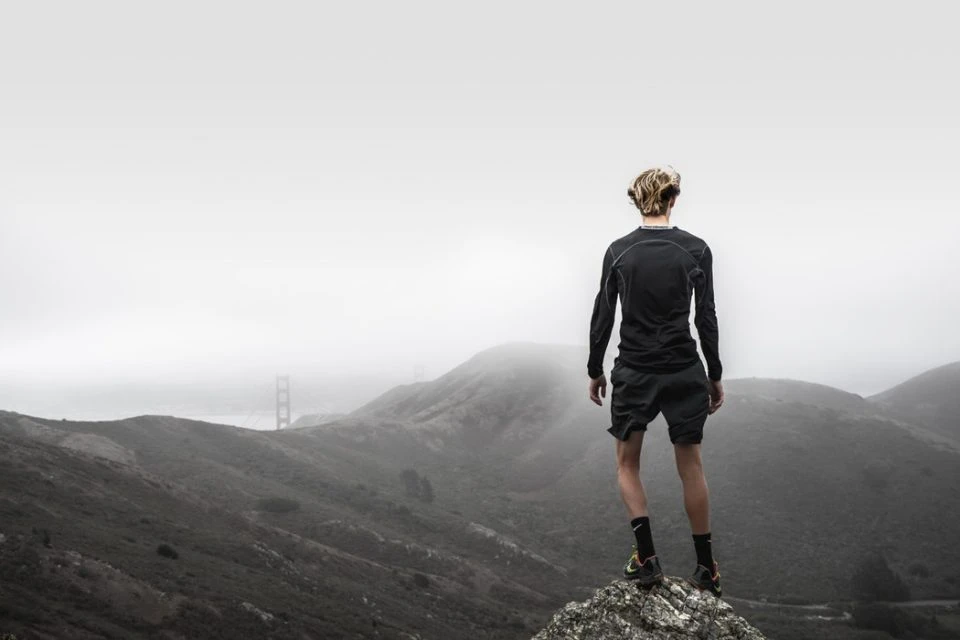
If you have a sedentary job, your legs will likely not be very used to long walks and your back to a heavy backpack. Setting out on a journey tens of kilometers long when your daily route consists of walking to and from the car is really not a good idea. It can manifest as pain, blisters, falling behind, or even dropping out of the trek or long-term health consequences (knee, hip problems, etc.). Your back can end up similarly if it is not used to a heavy backpack.
Therefore, make time for training before the trek. Start with a shorter walk and gradually add more. Replace the bus, subway, or car ride to work or school with walking. Take a few full-day or weekend trips. Take all your things with you and test them. You will soon get into shape and nothing will surprise you on the trek.
In a healthy body
For someone used to sleeping in a soft bed under a warm duvet, sleeping outdoors can mean one thing: lack of sleep. A strange environment, the sounds of nature, cold and chilly air, hard ground, the tightness of a sleeping bag... all this can result in a single question when the sun rises above the horizon: "Did I even sleep?" It is possible to prepare for this as well. Sleep with an open window, lie in a sleeping bag instead of under a duvet, ideally sleep on the ground for a few nights, or directly outdoors.
The most effective preparation for cold is, of course, cold exposure (showers, swimming, lowering the heating temperature, or gradually removing layers of clothing), which will best prepare you for the cold and at the same time strengthen your immunity so that you don't get sick on the trek. This way, you can gradually get used to discomfort, thanks to which nights on the trek will be much more restorative and you will recharge your strength more easily.
Skills
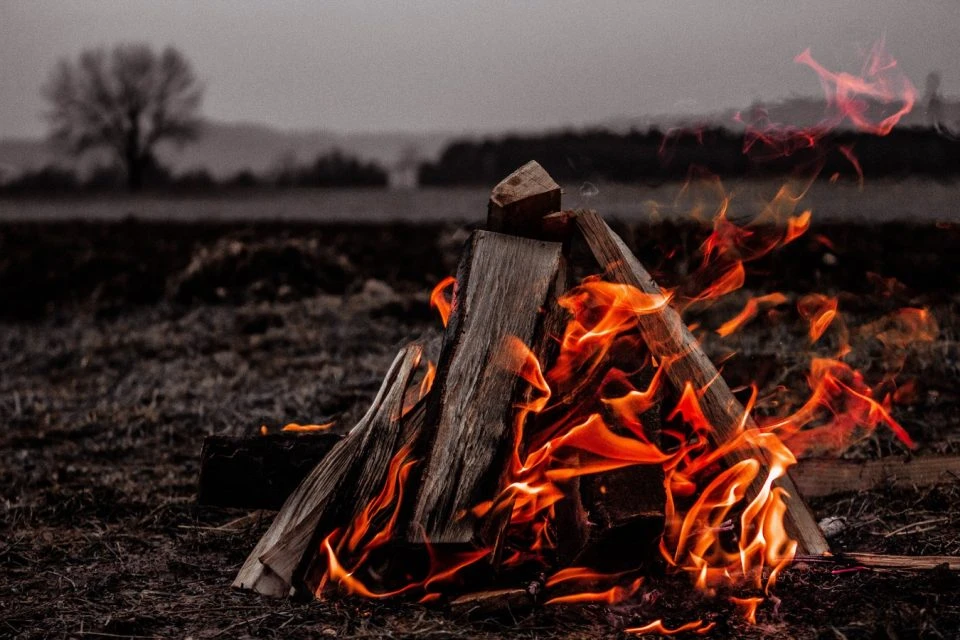
Your knowledge and skills related to staying in nature also play a significant role. We can surely agree that fire is a practical helper. It will heat your food when the stove fails, or you yourself on a cold night, or when you are soaked to the bone. Likewise, it will dry your wet things, serve as a signaling device, or even as a means of protection. When it is dry, practically anyone can start a fire. However, if you have tried the same activity in heavy rain or strong wind, you will probably agree with me that it is not exactly an easy task. Training and experience will undoubtedly come in handy here.
The ability to start a fire in any weather with any kind of tinder and fuel can be an invaluable advantage on a trek, especially (but not only) in crisis situations. It is similar with sleeping outdoors. Which place is suitable for an overnight stay (due to weather, flooding, and terrain reasons)? How can the environment be adjusted to be more comfortable and provide better protection from the wind? How to create a quality shelter so that it doesn't leak or fall apart even in a storm? The list of useful skills doesn't end there: the art of creating makeshift tools and repairing damaged gear, weather forecasting, knowledge of edible and medicinal plants or mushrooms, skills related to water filtration, etc., can come in handy. Nature is always posing new challenges, and there are no final limits to self-improvement. The more you know, the better you will likely fare on the trek.
Studying the area
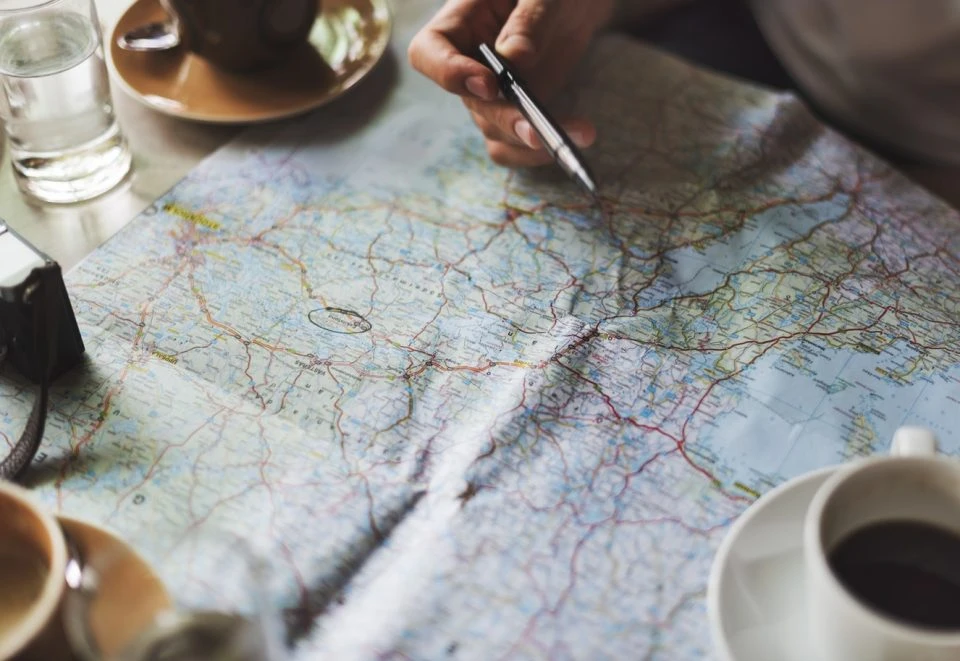
Last but not least, carefully study the maps of the area you are heading to. Focus especially on safety and reference points (civilization, accommodation options, shops, train stations and stops), drinking water sources (I recommend verifying potability and flow; in the Czech Republic, for example, here), landmarks, and options for adjusting the route (shortening in case of complications). It is also a matter of course to study local conditions, customs, and laws of the country you are heading to.
Do not underestimate the weather and find out from reliable sources what conditions you are likely to encounter. Will there be snow (still) and how much? Are you setting out in the rainy or dry season? What are the average minimum and maximum temperatures at this time? The more you know, the better prepared you will be.
Then, pass your exact route and trip dates to a third party. Agree that if you do not return by a certain date, this person will initiate a search. During the trip, you can also send messages that you have arrived at certain places. A more advanced option, suitable for more dangerous expeditions, is to agree on specific points and times at which you will pass through these points according to the plan. If you do not send a message from the agreed places at the given times, it will be an impulse to start a search.
Preparing companions?
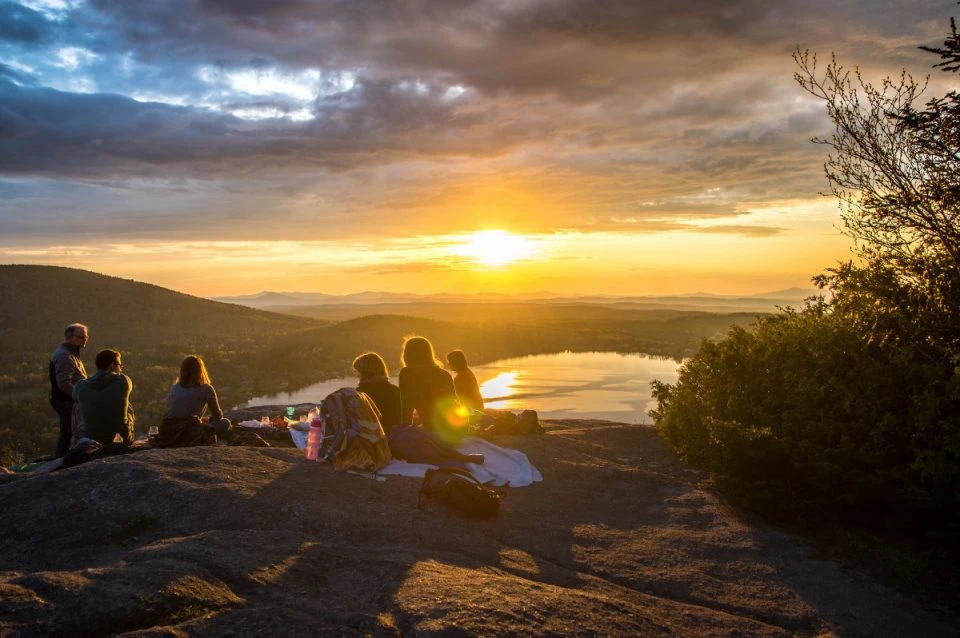
Don't forget to also verify the fitness, condition of gear, and experience of your fellow travelers. Even if you prepare perfectly yourself, unsuitable footwear, insufficient preparation, non-functional clothing, or the poor physical condition of your friends can ruin the entire expedition. Therefore, I recommend going on a "test trip" before the actual trek. Not only will you get in sync better, "test" each other, and clarify expectations, but you will also find out if you get along as companions.
And what's next?
In the Step by Step series, we have already mentioned food. However, we haven't yet said which is most suitable for travel and how to know how much to take with you. So you can look forward to the topic of nutrition on a trek in the next, fifth part, which will be published in 14 days. I promise it will be nutritious. :-)


