


Mountains are a great attraction all year round for tourists, families with children, and enthusiastic athletes. However, few people know how to provide first aid in the field, on a ski slope, or on a cross-country trail. Likewise, not everyone is sure what to do in case of an injury to themselves or a member of their group on the way to the summit. So, how should you act in a crisis situation?
An alpine hike, via ferrata, walk, or a ski trip in the morning powder can turn sour in a second. And you will be faced with a major challenge - how to help the injured while not endangering yourself?
The most effective prevention = proper equipment
The most fundamental rule is not to underestimate anything. This applies not only to behavior but also to equipment. You never know when a gentle path will turn into a slippery, steep trail. Purchasing and carrying a travel first aid kit with the most essential equipment for treatment is an absolute must. If you are not sure what belongs in a well-equipped first aid kit and how to choose one, we will advise you in our article How to choose and pack a first aid kit.
The contents of the first aid kit should also be adapted to the participants of the trip - especially their age and number. If you are going with children, it is appropriate to pack medicines intended specifically for children. In case you are heading to conquer peaks on another continent, it is definitely worth considering that you will be traveling with the first aid kit - for example, by plane. Always check the expiration date of all medicines and store them according to the manufacturer's recommendations.
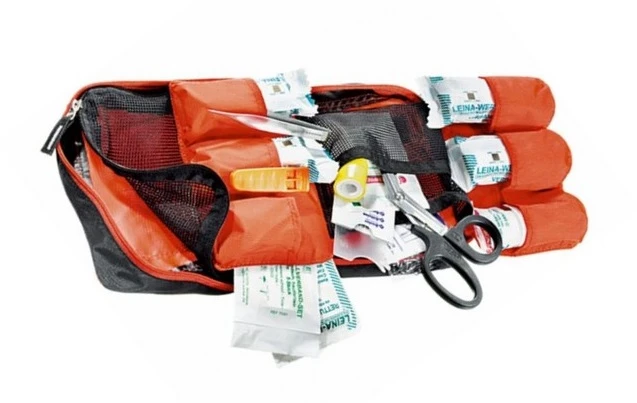
In summer or winter, you should not forget to throw a jacket, hat, gloves, and raincoat into your backpack in addition to the aforementioned first aid kit. Even at higher altitudes, you can be caught in a storm. Plenty of food and drink for the whole trip is a matter of course, as are daily medications.
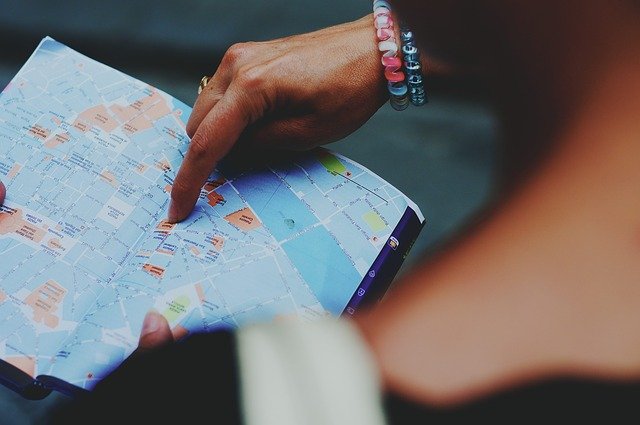
Even if you don't want to carry anything extra, don't forget your ID, health insurance card, travel insurance (a must if you are trekking abroad and on mountains higher than 3000 m a.s.l.), power bank, whistle, and flashlight. A paper map is also useful; sometimes the GPS signal fails, and tourist signs are not always reliable.
Before your first ski trip or entering a hiking trail, find out the number for the local mountain rescue service. The unified emergency number is 112. Also, try never to set out alone.
When something happens
Rule number one - do not remove the injured person's helmet or ski boots, and do not give them anything to drink. Never leave them alone unless you are the only one nearby and have to go for help. Assess their condition, check consciousness and breathing, not only by sight but also by touch, and communicate with them if they are conscious. If they are not breathing, it is necessary to start resuscitation.
If you are stressed, a first aid card might come in handy, which briefly states how to proceed when providing basic first aid. You can print the card and put it in your first aid kit or save it on your mobile phone. In case of emergency, you can use the option of telephone-assisted first aid within the Czech Republic. Dispatchers on the emergency line will tell you step-by-step what to do.
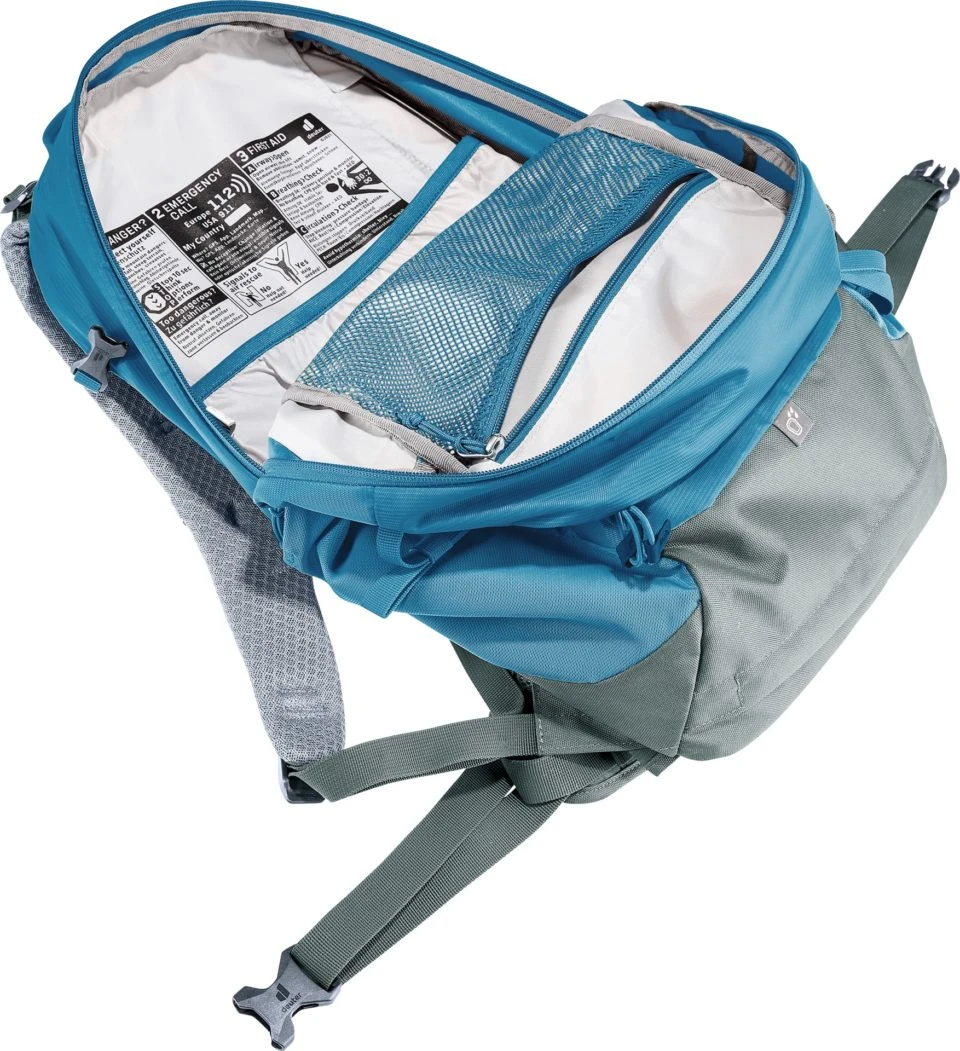
First aid can also be facilitated by informative SOS labels, which are already a standard part of most hiking backpacks, backpacks, and ski touring backpacks from Deuter, Rab, and Lowe Alpine.
As for skiing, the most common injuries are fractures, dislocated knees, wind knocked out, or nosebleeds. Never return a broken or dislocated limb to its original position; just tie it to a ski or pole with a scarf. Having the wind knocked out is often a symptom of shock, so calm the injured person and ensure plenty of warmth, perhaps by lending your jacket for a while.
TIP: Some sports backpacks are equipped with integrated rain covers and removable foam seat pads. In an emergency, they can at least provisionally help with insulation and keep the victim partially dry and warm.
Stop a nosebleed by tilting the head forward and compressing the nose in about 10-minute intervals. Sometimes an open wound occurs; cover it with a sterile dressing. Do not take off your gloves if you haven't managed to put on the rubber ones from the first aid kit; this will protect you from infection. Warm frostbite with your own breath, and put frozen fingers in your armpits.
Look for your phone first
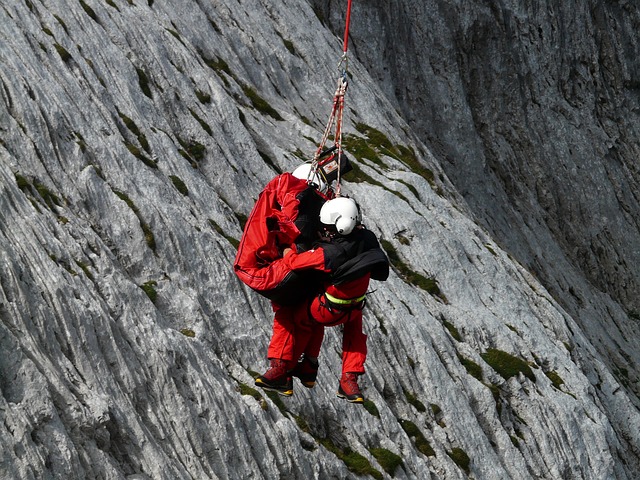
If it is not necessary to start resuscitation immediately, call the mountain rescue service as soon as possible. Provide them with the most accurate position; smartphones can display coordinates. In difficult terrain, draw attention to yourself with a whistle (usually located on the chest strap buckle of sports backpacks) and by flashing a flashlight. An injured skier sometimes remains lying behind a horizon; in that case, it is necessary to stick poles into the snow in the shape of a cross on the horizon so that other skiers are careful and a greater tragedy does not occur.
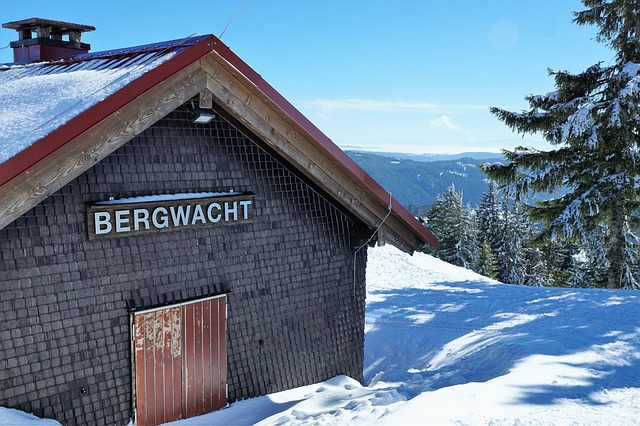
If you don't have a signal, try to walk to another place within range, or you may have to go for help on foot. In such a case, stabilize the injured person and set off. Mountain rescue centers are usually marked with a red cross on the map.
Helping an injured tourist or skier is not easy, and resisting the stress and confusion of having to provide first aid is perhaps even harder. The ideal solution is to refresh your memory or take a first aid course before going to the mountains or into the field. If you prepare in advance, you will certainly not fail in such a tense situation! First aid courses for the public are commonly organized by regional hospitals, organizations like ZDrSEM, or the Czech Red Cross.
Photo source: pixabay.com
updated: 2024


