


Food is the foundation of every journey. It is the fuel that drives our engine forward. Without it, we will not have enough energy for further steps, climbs, or camping, and our body will not regenerate. That is why the fifth part of the Step by Step series is dedicated to nutrition.
At the beginning, we will look at some theory, and then we will introduce several practical tips on how to approach food on hikes. From calculating the necessary energy to the composition of food, we will get to specific advice on which food is suitable for a trek, how to prepare it, and how to store it.
First, it is necessary to clarify how long the march you are embarking on will be. If you are going on a hike of only a few days, the main emphasis will be on replenishing energy. For longer trips (in the order of weeks), you also need to think about maintaining your weight.
Where to get energy?
The trumpets are sounding for the march, and the army is lining up. In the front line of the imaginary "caloric cavalry" are carbohydrates. These are divided into two wings: simple (glucose, fructose, galactose, beet sugar, milk sugar) and complex (glycogen, starches, fiber). Simple carbohydrates are light cavalry – the body gets energy from them much faster. This can be advantageous if you have a short, demanding task ahead, such as climbing a hill. However, simple carbohydrates burn out in a flash, insulin hastily sends energy to the cells, and a deficit occurs – an energy crash. This can manifest as momentary fatigue or a non-specific unpleasant feeling, which is nothing you would welcome during a march.
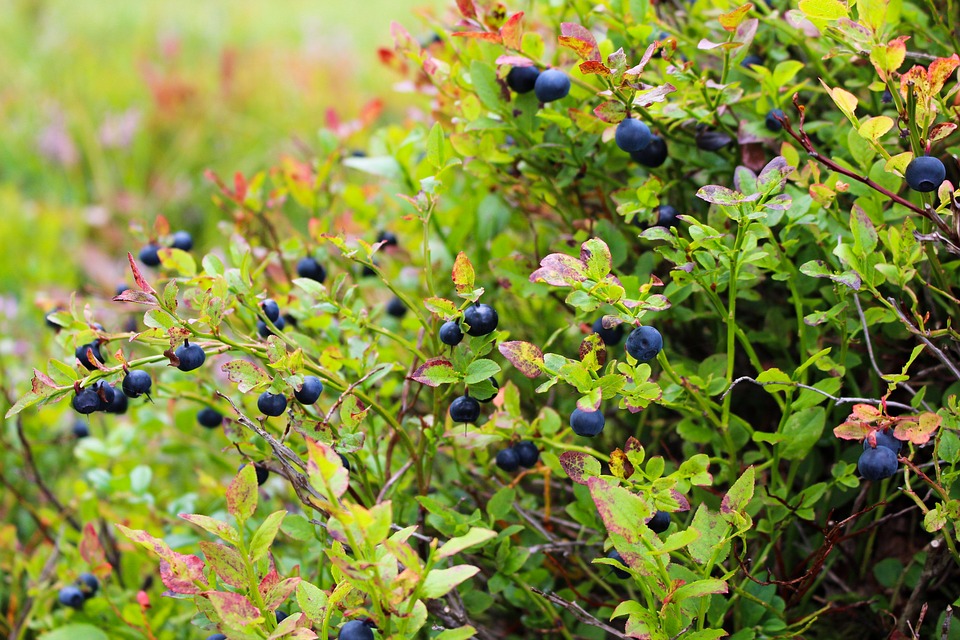
Therefore, it is good to support simple sugars with heavy cavalry in the form of complex carbohydrates, from which energy is released gradually. The recommended daily ratio of simple to complex sugars is 1:5. You can find simple sugars in fruit, honey, sugar cane and beets, milk, malt, sweets, etc. Complex ones are in cereals, legumes, vegetables, potatoes, and whole-grain products.
What about provisions?
In the second line of our fictional campaign, energy reserves stored in fats and proteins come into play.
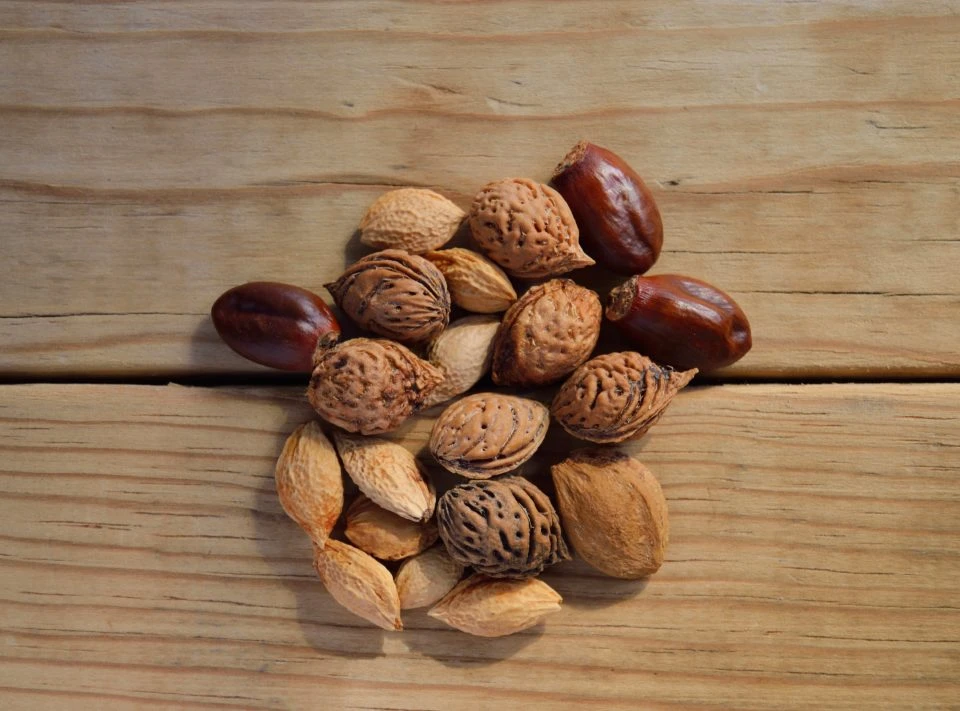
The infantry regiment of fats is the most abundant source and reservoir of energy (approximately twice as abundant as sugars and proteins). They are also important as building material, prevent heat loss, dissolve some vitamins, and are used to form hormones. You can find them in seeds, nuts, meat, cheese, butter, and oils.
Proteins are important for the formation and renewal of tissues, serve to transport substances in the organism, and are part of enzymes and hormones. They are abundantly found in legumes, soy, meat, milk, eggs, nuts, cereals, and potatoes.
Now that we have covered the necessary general theory, we can command "forward!" towards practice and trekking itself.
Yes... but how much?
If you are wondering how much food to pack for a trek so that you don't run out and at the same time don't carry half a pantry on your back, a simple formula for calculating the amount of energy consumed during a march might come in handy. It looks like this:
2.4 x body weight x (distance in km + elevation gain in meters / 60) = energy expenditure in kJ
This formula is based on the finding that for 1 km and 60 m of elevation gain, a walker spends 2.4 kJ per 1 kg of their weight. So, if I set out on a 50 km long march with an elevation gain of 1500 meters and I weigh 70 kg, the formula will look as follows:
2.4 x 70 x (50 + 1500/60) = 12,600 kJ
Note: I recommend including the weight of the load you will be carrying in your weight. Also, don't forget that you will consume energy while camping and doing other activities. The formula calculates energy consumption only for the march itself.
The energy value is stated on every packaged food, based on which you can compile a menu. If the value is not stated, you can use calorie tables.
Carbohydrates, fats, and proteins in action
However, energy is not the only thing that needs to be addressed in terms of nutrition on a trek. If you plan to travel for a longer time, it is also necessary to maintain body weight and strength. As we have already said, while carbohydrates are replaceable, the role of fats and proteins also lies in an irreplaceable building function. The body can easily handle a lower amount in the short term, but in the long term, it is advisable to maintain an ideal ratio. But which one?
Regarding the composition of the diet on a trek, the recommended ratio of energy intake does not differ much from the usual "everyday" one (if we don't want to lose or gain weight). It is 55:30:15 (carbohydrates:fats:proteins). The energy value of 1 g of fat is approximately 38 kJ, proteins and sugars approximately 17 kJ (as we said, about half). If we start from the example situation above (12,600 kJ) and the recommended ratio of 55:30:15, then we should consume 408 g of carbohydrates, 99 g of fats, and 111 g of proteins.
However, it should be noted that the stated formula and ratio are only indicative and vary from source to source. Real energy expenditure is influenced by the difficulty of the terrain, weather, individual physical conditions, etc. Therefore, it is good to take the formulas more as a tool and a hint.
Trekking menu
Food for a trek should be nutritious but light. From this point of view, dried foods (fruit, vegetables, meat, etc.), foods rich in energy and nutrients (nuts, whole-grain cereals), and those that increase in volume after adding water (e.g., polenta, couscous, flakes, millet, etc.) are advantageous. Another criterion should be easy thermal preparation: ideal are dishes that can be eaten raw or after adding hot water (or require minimal cooking). The last – but no less important – condition is durability: foods that spoil quickly, can get damp, or conversely harden are not suitable.
What I recommend: nuts, seeds, porridge, whole-grain bread, dried fruit and vegetables, jerky, green tea/coffee/mate.
What I do not recommend: classic bread, raw fruit and vegetables (heavy, spoil quickly), canned food (heavy, creates unnecessary waste), sweets, sweetened drinks and energy drinks (too many simple carbohydrates), alcohol (strains the organism).
Important indicators are, of course, also your direct experience and taste. And although I do not recommend overeating on a trek, the feeling of an "empty stomach" can make the journey quite unpleasant. And we are primarily concerned with feeling good while traveling. :-) Therefore, I recommend choosing food that satisfies you both in terms of satiety and taste.
How about a second breakfast?
On a trek, the general principle of eating regularly in smaller doses applies. When you have one large meal once every many hours, the body uses a significant amount of energy to digest it, and you will feel tired. Therefore, it is better to eat a small snack approximately every hour, which will also provide the body with energy evenly.
Already when packing food for a trek, we should think not only about waterproofing (so that food does not get damp, insects do not get into it, and it lasts longer) but also about easy accessibility of food in partial doses (you can divide food into smaller portions, e.g., into sturdy resealable bags). It is advisable to prepare food at home in advance so that after unpacking it can be eaten straight away, or heated or cooked, without the need for further preparation (for example, you can mix different porridge mixtures in amounts corresponding to one portion).
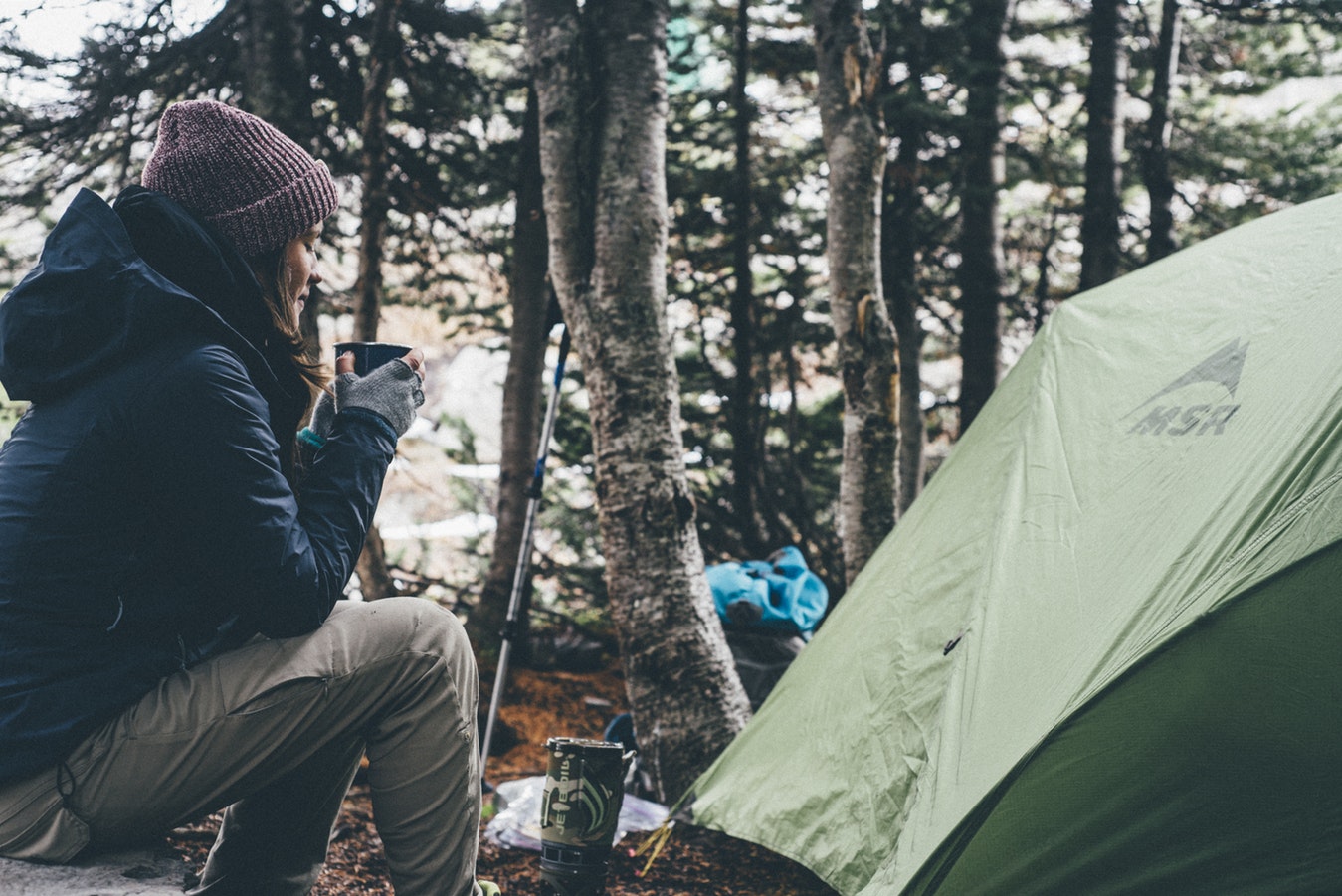
I have now introduced you to several tips for preparing a menu for your trek. My goal was definitely not to write down strict rules of exactly what nutrition on a trek should look like. On the contrary, I hope that my recommendations will lead to finding your own path to inner satisfaction, which will fuel your experiences. :-)
In the next part of the Step by Step series, we will look at a no less important topic, which is water. We will look, for example, at what to carry it in, how to clean it, how often to drink, and how much of it we actually need on a trek. See you on May 30th!
Expert consultation and correction: Nutritional therapist Ing. Tereza Bočková
Sources:


