


We have already introduced all the essentials you will need to maintain your fitness during the winter period. In practice, however, an enviable form needs to be supported by the right diet and, most importantly, by physical activity itself. So, what basic rules should you follow?
Set a goal
Before you start creating a specific plan to achieve your dream figure, it is important to clarify what you are missing or have in excess to reach that form. Some of us want to reduce fat stores, while others would like to gain some muscle mass – your actions will logically depend on this.
Simply put: if you want to gain weight, your caloric intake should exceed your caloric expenditure. And because you don't want the gain to be just a tire around your waist, focus primarily on strength training, which stimulates muscle growth.
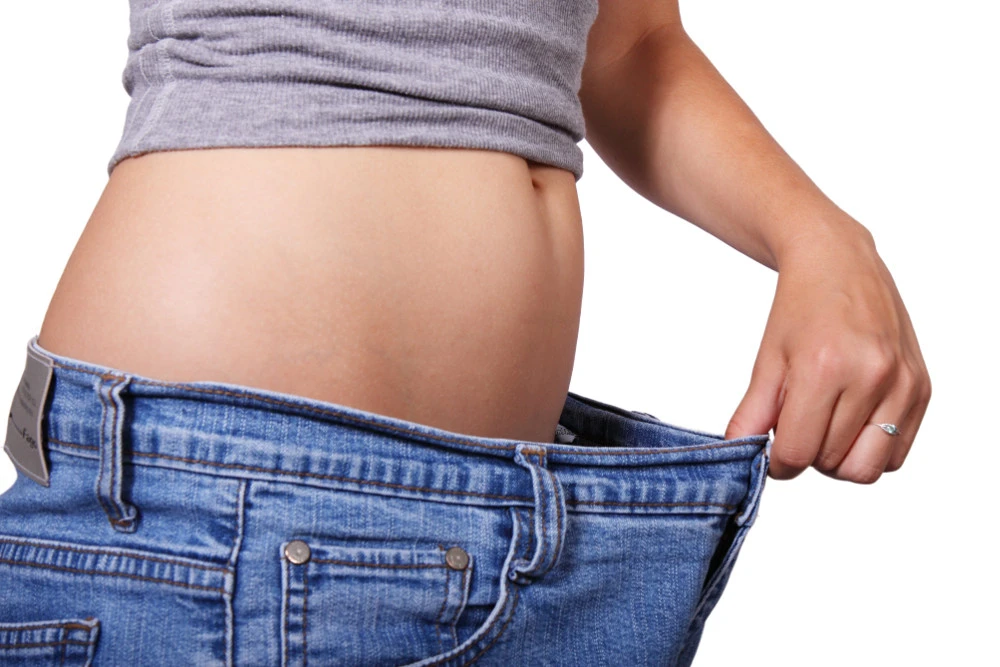
If, on the other hand, you want to slim down and reduce your body fat percentage, you must create a certain caloric deficit. At the same time, definitely do not starve; your intake should never drop below your basal metabolic rate, which we will talk more about below. In such a case, activities should be more aerobic in nature (running, brisk walking, cycling), but to prevent loose problematic areas, add full-body strengthening at least twice a week.
Strength vs. aerobic training
First, let's look at planning physical activity. Of course, every activity counts. If you just want to maintain decent fitness, simply do what you enjoy most, for a minimum of three hours per week in total. However, if you have a specific goal and a desire to get closer to your dream figure, you need to adapt your training plan accordingly.
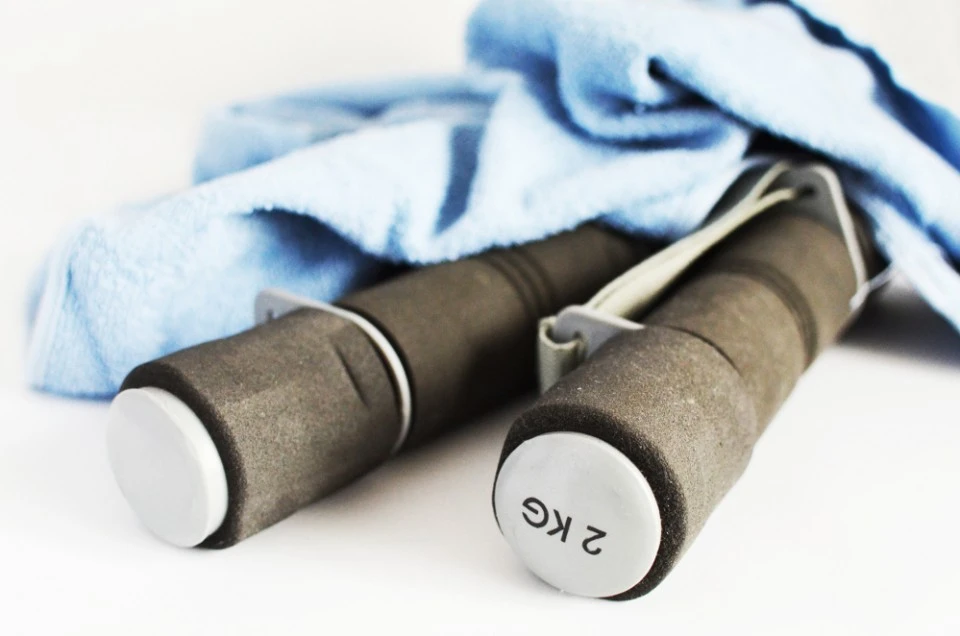
As mentioned, for building muscle mass, it is necessary to load the muscle and stimulate it to grow. Therefore, strength training in the form of visiting a fitness center, bodyweight training, or modern methods like exercising with TRX straps is ideal. Comprehensive exercises such as CrossFit or various variations of functional training are also suitable. Stick to the rule of three to four workouts per week, even if you might feel like pushing yourself harder at the beginning. Regeneration is essential for muscles. If you don't know how to relax by doing nothing, fill your free days with yoga, walks, or other calmer activities.
Healthy weight loss, on the other hand, requires increasing your caloric expenditure, so it is appropriate to support it with endurance aerobic activity. Suitable options include moderate running, brisk walking, dancing, or in the upcoming winter season, cross-country skiing. However, during weight-loss activities, avoid the overly intense pace known from spinning or Zumba classes, which causes you to exceed the optimal heart rate for fat burning. Engage in aerobic activity for at least 45 minutes two to three times a week. For a nicely toned figure, however, don't forget to add two strength training sessions mentioned above, so set aside time at least four times in your weekly schedule.
Is counting calories a necessity or a chore?
In the previous paragraphs, I overwhelmed you with terms like caloric intake and expenditure or basal metabolic rate. While the first two terms are relatively clear, basal metabolic rate sounds a bit like a magic formula, and it is often treated as such in the fitness world. So, what are we talking about? Simply put, it is the amount of energy expended in a resting state, i.e., the number of calories your body burns just by the functioning of organs without any additional activity.
How to calculate it?
Women: BMR=655.0955 + (9.5634 x weight in kg) + (1.8496 x height in cm) - (4.6756 x age in years)
Men: BMR=66.473 + (13.7516 x weight in kg) + (5.0033 x height in cm) - (6.755 x age in years)
The result will be a value in calories that you can use as you see fit. You can start frantic counting and monitor your daily caloric intake and expenditure in one of the smart mobile applications or on websites such as KalorickeTabulky.cz. The basal metabolic rate value should serve as a guide and a hint at the same time. If you don't want to starve your body, you should not consume less than this resting consumption, even when losing weight. To get an overview, I recommend mapping your caloric balance this way a few times, but unless you are preparing for a bodybuilding competition, long-term counting of every calorie is unnecessary and restrictive.
Abs are made in the kitchen
Although I am discouraging you from fanatical calorie counting, keep in mind that hours of hard work and sweat will have minimal effect if you do not eat adequately. As we already said when mentioning the basal metabolic rate, it is not good to eat too little or too much, always with regard to what your goal is. In addition to that, there are several other rules whose adherence will help you on the way to your dream figure.
The first is regularity. There is no need to strictly follow the dogma of five meals a day, but you should definitely not starve all day and raid the fridge in the evening. Think about food the day before and ensure you are prepared for the whole day. The same applies to the drinking regime, which should be sufficient and evenly distributed throughout the day. To ensure you don't forget about fluids, get a quality bottle, thermos, or thermal mug and keep them with you at all times.

Athletes should also watch their sufficient protein intake, which you can find especially in meat or eggs, but also in legumes, tofu, or nuts. Your diet should also contain enough so-called complex carbohydrates, i.e., oats, whole-grain products, potatoes, or rice (plenty when gaining, a little less when reducing, but definitely do not give up side dishes completely) and healthy fats in the form of quality oils, nuts and seeds, or avocado. Do not forget about the regular supply of fruits and vegetables, which will provide the necessary fiber and vitamins.
Simply eat variedly and be interested in the information on the packaging. Healthy eating must be fun for you, so don't be afraid to experiment in the kitchen and look for new dishes and information.
Enjoy the holidays
You have surely thought that "keeping in shape" during Christmas will be a real pain. However, there is no need to overdo it. You definitely won't gain so much weight in three days of a looser regime that it would ruin all your previous efforts. When you also compensate for the treats with walks or other physical activity, you can be calm. So, don't resist the family dinner and a few pieces of Christmas cookies during the holidays, but avoid a week-long binge with the idea that you will start on New Year's Day. It is much easier to adopt the mentioned habits now and focus more on improving them as part of your New Year's resolutions.

How do you stay in shape during the winter? Share your tips with us in the comments!
Photo source: pexels.com


